DIY Solar Heater for Pool: Keep Water Warm Without High Bills
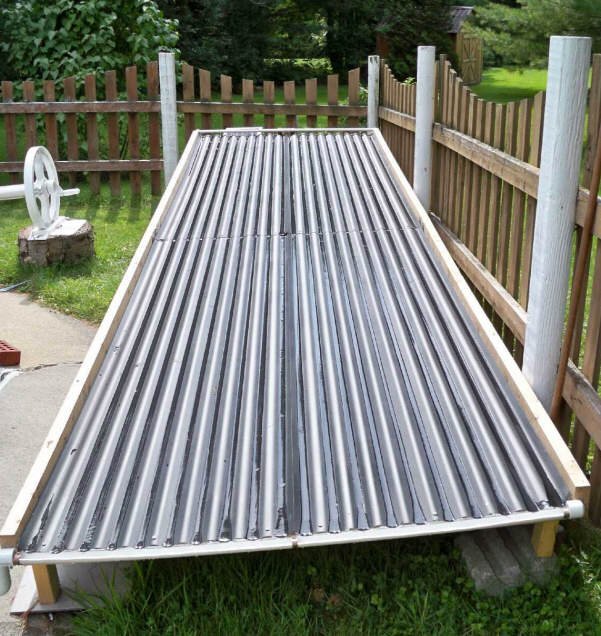
Imagine diving into your pool on a sunny afternoon, the water perfectly warm, without the dread of a sky-high energy bill looming over your head. A DIY solar heater for pool is an achievable project that can extend your swimming season and slash energy costs. It's about harnessing the sun's free energy to create your own personal oasis, a truly rewarding experience for any homeowner.
Building your own DIY solar heater for pool is a fantastic way to embrace energy independence and reduce your carbon footprint, all while enjoying a more comfortable swimming experience. It gives you control over your energy consumption and can significantly lower your monthly bills compared to traditional gas or electric pool heaters. Plus, it's a project that fosters creativity, problem-solving, and a deeper understanding of renewable energy.
Here's a quick tip to get started today: Begin researching the average sunlight hours in your area. This will help you determine the optimal size and placement of your DIY solar heater for pool, ensuring maximum efficiency throughout the swimming season.
DIY Solar Heater for Pool: A Step-by-Step Guide
Creating a DIY solar heater for pool involves several steps, from planning and gathering materials to assembly and installation. This guide breaks down the process to make it manageable and rewarding. Remember to always prioritize safety and consult local building codes before beginning any project.
Planning and Design
Before diving in, meticulous planning is crucial. Determine the size of your pool to calculate the heating requirements. A general rule of thumb is that the surface area of your solar collector should be roughly 50-100% of the pool’s surface area, depending on your climate. Consider the available space for your solar collector, whether it's on your roof, a shed, or a ground-mounted rack. Choose a location that receives ample sunlight throughout the day, ideally facing south. Sketch out your design, noting the dimensions of the collector, the plumbing connections, and the overall layout. This will serve as your blueprint throughout the project.
Gathering Materials
There are several design options for a DIY solar pool heater. One popular method uses black irrigation tubing coiled inside a wooden frame covered with polycarbonate sheeting to create a greenhouse effect. Another involves repurposing black plastic drums or creating a manifold system with PVC pipes.
Here's a basic list of materials you might need:
Black irrigation tubing (or PVC pipes)
Wooden boards for the frame
Polycarbonate sheeting (or other glazing material)
Pool pump
Plumbing fittings (connectors, valves, etc.)
Pool hose
Primer and PVC cement (if using PVC pipes)
Insulation (for pipes)
Paint (black, for pipes if needed)
Tools (saw, drill, screwdriver, measuring tape, etc.)
The cost of materials can vary depending on the size and complexity of your design. Budget anywhere from $100 to $500 for a basic DIY solar heater for pool setup.
Assembly and Installation
1.Build the Frame: Construct the wooden frame according to your design. Ensure it’s sturdy and can withstand the weight of the tubing and glazing.
2.Coil the Tubing (or Assemble Manifold): If using tubing, coil it neatly inside the frame. Secure it with clamps or zip ties. If using PVC pipes, assemble the manifold system according to your design, using primer and PVC cement to create secure joints.
3.Attach the Glazing: Cover the frame with polycarbonate sheeting, securing it with screws or staples. This will trap heat inside the collector.
4.Plumbing Connections: Connect the inlet and outlet pipes to the pool’s filtration system. Typically, the water is pumped from the pool, through the solar collector, and back into the pool. Use appropriate fittings and valves to control the water flow.
5.Mount the Collector: Position the collector in the chosen location, ensuring it's facing the sun. Secure it to the roof, shed, or ground-mounted rack.
6.Insulate Pipes: Insulate the pipes to minimize heat loss.
7.Test the System: Turn on the pool pump and check for leaks. Monitor the water temperature to ensure the system is working effectively.
DIY Solar Pool Heater Using a Garden Hose
Yes, you can create a very basic solar pool heater using a garden hose. Coil a black garden hose on a dark surface that receives direct sunlight. Connect one end to your pool's pump outlet and the other end back into the pool. As water circulates through the hose, it absorbs heat from the sun-warmed surface. This is a simple and inexpensive way to add a few degrees to your pool's temperature, although its efficiency is limited.
Off-Grid Considerations
For a completely off-grid pool heating solution, you'll need to consider a solar-powered pool pump. This eliminates the need for grid electricity to circulate the water through your DIY solar heater for pool. You can use a small solar panel kit to power the pump, creating a truly sustainable and energy-independent system.
Troubleshooting Common Issues
If your DIY solar heater for pool isn't performing as expected, check for the following: Leaks: Inspect all plumbing connections for leaks. Clogged Pipes: Clean out any debris that may be clogging the pipes. Insufficient Sunlight: Ensure the collector is receiving ample sunlight throughout the day. Incorrect Water Flow: Adjust the valves to optimize water flow through the collector. Heat Loss:Insulate the pipes to minimize heat loss.
Seasonal Adjustments for Your DIY Solar Pool Heater
During the colder months, you may need to drain the solar collector to prevent freezing and damage. In the summer, you may need to adjust the water flow to prevent overheating. Regularly inspect your DIY solar heater for pool for any signs of wear and tear, and perform maintenance as needed.
DIY Solar Heater for Pool: Maximizing Efficiency and Safety
Beyond construction, optimizing your DIY solar heater for pool's performance and ensuring safety are paramount. These elements guarantee long-term functionality and peace of mind.
Optimizing Performance
To maximize the efficiency of your DIY solar heater for pool, consider these factors: Orientation: Position the collector facing south for optimal sunlight exposure. Tilt Angle: Adjust the tilt angle of the collector based on the season to maximize solar gain. In the summer, a lower angle is generally better, while in the winter, a steeper angle is more effective. Insulation: Insulate the pipes and collector to minimize heat loss. Water Flow: Optimize the water flow rate through the collector. Too slow, and the water may overheat; too fast, and it won't have enough time to absorb heat.
Safety Considerations
Safety should always be a top priority when working with solar energy systems.
Electrical Safety: If you're using a solar-powered pool pump, ensure all electrical connections are properly insulated and grounded. Plumbing Safety: Use appropriate fittings and valves to prevent leaks. Roof Safety: If mounting the collector on your roof, take necessary precautions to prevent falls. Water Quality: Maintain proper water chemistry in your pool to prevent corrosion and damage to the solar collector.
Permits and Regulations
Before installing your DIY solar heater for pool, check with your local authorities to determine if any permits are required. Some jurisdictions may have regulations regarding solar energy systems. Obtaining the necessary permits will ensure that your project complies with local building codes and regulations.
The Sweet Spot: Cost vs. Savings
DIY solar pool heaters are generally more cost-effective than commercially available heaters, especially in the long run. You'll save money on materials by building it yourself, and you'll also save on energy costs by using solar energy instead of gas or electricity. The payback period for a DIY solar heater for pool can be as short as a few years, depending on your energy consumption and the cost of materials.
FAQ: DIY Solar Heater for Pool
How much does it cost to build a DIY solar pool heater?
The cost can range from $100 to $500, depending on the size, materials, and complexity of your design.
How efficient are DIY solar pool heaters?
Efficiency depends on factors like sunlight exposure, collector size, and insulation, but a well-designed system can significantly raise pool temperature.
Do I need a permit for a DIY solar pool heater?
Check with your local authorities; some jurisdictions may require permits for solar energy systems.
Can I use a DIY solar pool heater in the winter?
While less effective in colder months, proper insulation and collector design can still provide some heating benefit. Consider draining the system to prevent freezing in harsh winters.
What type of tubing is best for a DIY solar pool heater?
Black irrigation tubing or PVC pipes are commonly used due to their heat absorption properties and durability.
How do I prevent algae growth in my DIY solar pool heater?
Maintain proper water chemistry in your pool, including chlorine levels, to prevent algae growth. Periodically flush the solar collector to remove any accumulated debris.
Taking the plunge into a DIY solar heater for pool project is an investment in your comfort, your wallet, and the environment. Research the best design for your needs and climate, gather your materials, and get ready to enjoy warmer pool water powered by the sun!
Post a Comment for "DIY Solar Heater for Pool: Keep Water Warm Without High Bills"