Solar Without Battery: Is It Possible for Your Home?
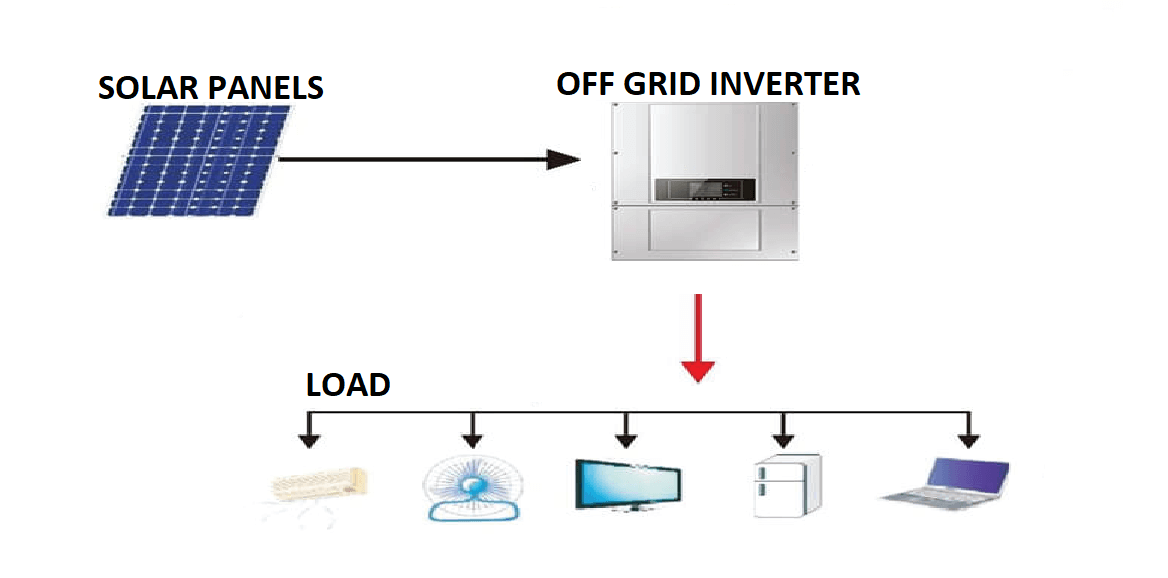
Imagine harnessing the sun's energy to power your home, slashing your electricity bills, and reducing your carbon footprint, all without the complexities and expense of battery storage. It sounds like a dream, but the question remains: Solar Without Battery: Is It Possible for Your Home? The answer, surprisingly, is a resounding yes, under the right circumstances. It’s about understanding how your energy needs align with solar availability and the options available to you.
The beauty of exploring solar without batteries lies in its upfront cost savings and simplified installation. Batteries, while crucial for true off-grid living and backup power, represent a significant investment. Choosing a grid-tied solar system, where excess energy is fed back into the utility grid, allows you to offset your consumption without needing expensive battery banks. This approach makes solar accessible to more homeowners and reduces the environmental impact of battery production and disposal. It provides a pathway to energy independence without the need for complex DIY battery setup or large capital.
Today, check your energy usage habits. Take a look at your last few electricity bills and identify your peak consumption times. If these peaks coincide with peak sunlight hours, you may be a great candidate for solar without battery storage.
Understanding Grid-Tied Solar Systems
A grid-tied solar system is the most common type of solar installation for homes. It works by converting sunlight into electricity using solar panels. This electricity is then used to power your appliances and other electrical devices. Any excess electricity that isn't used in your home is sent back to the utility grid, earning you credits on your bill in many regions through a process called net metering.
The key difference between a grid-tied system and an off-grid system is the absence of batteries. This significantly reduces the cost and complexity of the system. Instead of storing energy for later use, you are effectively using the utility grid as your battery.When your solar panels aren't producing enough power (e.g., at night or on cloudy days), you simply draw electricity from the grid as usual.
Benefits of Solar Without Batteries
Lower Upfront Cost: Eliminating batteries can reduce the initial investment by a substantial margin. Batteries are one of the most expensive components of a solar system. Simplified Installation: Without batteries, the installation process is much simpler and faster. There are fewer components to install and configure. Reduced Maintenance: Batteries require regular maintenance and have a limited lifespan, typically around 5-10 years. Avoiding batteries means fewer components to worry about maintaining or replacing. Environmentally Friendly: While batteries are becoming more sustainable, their production and disposal still have an environmental impact. Reducing or eliminating battery usage minimizes this impact.
DIY Solar Projects Without Batteries
Many DIY solar projects are perfectly suited for a battery-free setup. These projects are typically smaller in scale and designed to supplement your existing energy usage rather than provide complete off-grid power.
Solar Water Heating: A solar water heater uses solar panels to heat water directly, which is then stored in a tank for later use. This is a very efficient way to reduce your reliance on traditional water heaters, which are often significant energy consumers. In many climates, this can operate independently of batteries. Solar Pool Heating: Similar to water heating, solar pool heating systems use solar panels to warm the water in your swimming pool. This can significantly extend your swimming season and reduce your energy costs. Solar Lighting: Solar-powered lights are a great way to illuminate your garden, walkways, or driveway without running electrical wires. These lights typically have small, integrated solar panels and don't require a connection to your home's electrical system. Small Appliance Charging: You can use a small solar panel connected directly to a USB charger to power devices like phones, tablets, and other small electronics.
Maximizing Efficiency for Battery-Free Solar
Even without batteries, you can maximize the benefits of your solar system by focusing on energy efficiency and strategic design.
Energy Audits: Conduct a home energy audit to identify areas where you can reduce energy consumption. This might include improving insulation, sealing air leaks, and upgrading to energy-efficient appliances. Smart Appliances and Timers: Use smart appliances and timers to schedule energy-intensive tasks for times when your solar panels are producing the most power. For example, you could set your dishwasher or washing machine to run during the midday sun. Panel Orientation and Angle: The orientation and angle of your solar panels significantly affect their energy production. Ensure your panels are facing the optimal direction (usually south in the Northern Hemisphere) and are tilted at an angle that maximizes sunlight exposure throughout the year. A local solar installer can provide guidance on optimal positioning for your region. Monitor System Performance: Regularly monitor your solar system's performance to identify any issues. Many inverters come with monitoring apps or websites that allow you to track energy production and consumption. Consider Seasonal Adjustments:In regions with significant seasonal variations in sunlight, you may need to adjust your energy usage habits or panel angles to optimize performance. For example, you might need to use more energy-efficient lighting during the winter months when sunlight is limited.
Troubleshooting Common Issues
Even well-designed systems can sometimes experience issues. Keep an eye out for common signs that may signal problems with your solar setup: Reduced Energy Production: If your solar panels are producing less energy than expected, there could be several causes, such as shading, dirt buildup, or faulty components. Inverter Problems: The inverter is a critical component of your solar system, converting DC electricity from the panels to AC electricity for your home. If the inverter is malfunctioning, your system won't be able to produce power. Signs of inverter problems include error messages, unusual noises, or complete failure. Wiring Issues:Faulty wiring can be a safety hazard and can also reduce the efficiency of your system. Check for loose connections, frayed wires, or other signs of damage. If you notice any wiring issues, contact a qualified electrician.
Off-Grid Considerations (Without Batteries)
While this article focuses on solarwithoutbatteries, it's important to understand the limitations of this approach for true off-grid living. To live completely off the grid, you'll almost certainly need battery storage to provide power when the sun isn't shining. However, it is possible to use solar directly to power specific off-grid applications during daylight hours. For instance, powering a water pump for irrigation or a ventilation fan in a greenhouse. These are niche applications, but they demonstrate the potential for direct solar power.
What about Solar Generators Without Batteries?
A "solar generator" generally refers to a portable power station that includes a battery, inverter, and charging capabilities. However, youcancreate a simple direct solar charging system. This would involve connecting a solar panel directly to a device or appliance designed to run on DC power. This is common for small electronics and USB devices but is less practical for larger appliances without an intermediary battery.
FAQ: Solar Without Battery – Is It Possible for Your Home?
Can I run my entire house on solar without batteries?
Yes, it's possible to power your whole house with a grid-tied solar system without batteries. However, during power outages, you will still lose power as the system is designed to shut down to protect utility workers. You'll need batteries for backup power during outages.
How does net metering work with a battery-free solar system?
Net metering allows you to send excess solar energy back to the grid and receive credits on your electricity bill. When your panels produce more energy than you're using, the excess flows back to the utility, and your meter runs backward, offsetting your future electricity consumption.
Is solar without batteries cheaper than solar with batteries?
Yes, a solar system without batteries is significantly cheaper due to the high cost of battery storage. The upfront costs, maintenance, and replacement expenses are all lower without batteries.
Can I add batteries to my solar system later?
In most cases, yes. It's generally possible to add batteries to a grid-tied solar system at a later date. However, you may need to upgrade your inverter or other components to ensure compatibility. Consider planning for future expansion when designing your initial system.
What happens to my solar panels during a power outage if I don't have batteries?
For safety reasons, grid-tied solar systems without batteries are designed to automatically shut down during a power outage. This prevents electricity from flowing back into the grid, which could endanger utility workers repairing the lines. If you want power during an outage, you'll need battery storage.
Does solar without batteries make sense in all climates?
Solar without batteries can be beneficial in most climates, but it's particularly advantageous in areas with consistent sunshine and reliable grid access. The less sunshine you get, the less excess you can push back to the grid for credit. It might be less ideal if you live in an area prone to frequent or lengthy power outages unless backup power is not a concern for you.
Ready to explore the possibilities of solar without battery for your home? Start by contacting a qualified solar installer in your area for a personalized consultation and a site assessment. They can help you determine if solar without batteries is a good fit for your energy needs and budget, and guide you through the process of designing and installing a system that works for you. Take the first step toward a brighter, more sustainable future today!
Post a Comment for "Solar Without Battery: Is It Possible for Your Home?"