DIY Solar Fountains: Affordable Outdoor Projects
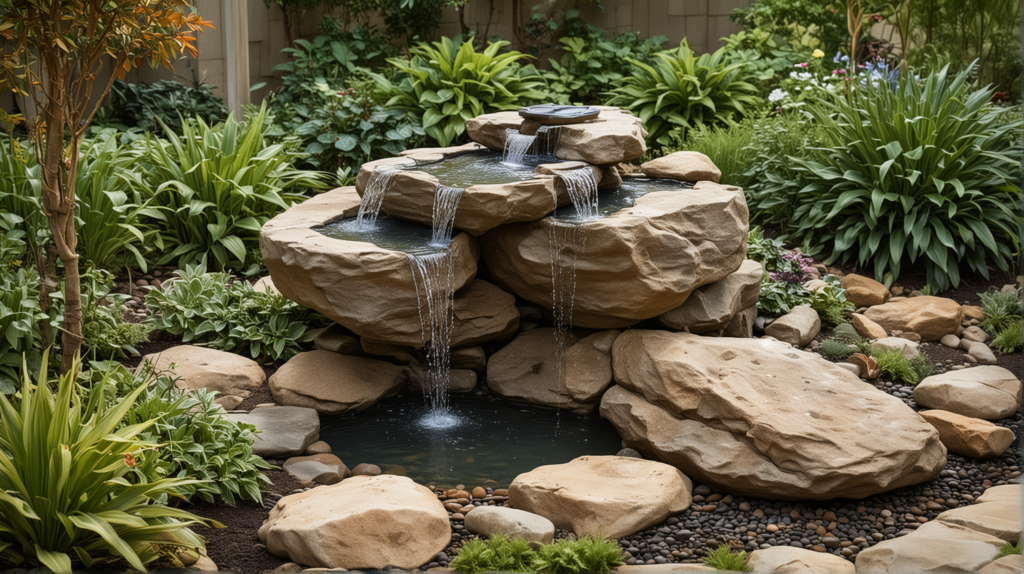
Imagine the gentle sound of water trickling in your backyard oasis, powered entirely by the sun. Forget expensive professional installations and hefty electricity bills. DIY solar fountains are not only incredibly affordable outdoor projects, but they also offer a satisfying connection to renewable energy and a unique touch to your landscape. Picture building your own eco-friendly water feature, a small step towards a greener lifestyle that enhances your home's charm.
Dipping your toes into the world of DIY solar projects, especially with something as approachable as a solar fountain, is empowering. It's about reclaiming control over your energy consumption, one small project at a time. Beyond the obvious cost savings, you're reducing your carbon footprint and creating a tranquil space that's both beautiful and sustainable. Plus, it’s a fun and educational project that the whole family can enjoy.
Start small by observing the sun patterns in your yard for a day. Note which areas receive the most direct sunlight, as this will be the ideal location for your solar fountain. This simple observation will significantly impact the fountain’s performance.
Getting Started with DIY Solar Fountains: Affordable Outdoor Projects
The beauty of DIY solar fountains lies in their simplicity and affordability. You don't need to be an electrical engineer to create a stunning water feature powered by the sun. This project is all about understanding the basic components, sourcing budget-friendly materials, and unleashing your creativity. Let’s explore the essential elements needed to make your solar fountain dream a reality.
Key Components of a DIY Solar Fountain
The heart of your solar fountain is, of course, the solar panel. These come in various sizes and power ratings (measured in watts). For a small fountain, a 5-watt panel might suffice, but a larger fountain or one with a greater water lift will require a more powerful panel (10-20 watts or higher). Consider flexible solar panels for curved fountain designs, or rigid panels for a more traditional setup.
Next, you'll need a submersible pump. These are specifically designed to operate underwater and are readily available online or at garden supply stores. Ensure the pump's flow rate (measured in gallons per hour or GPH) is appropriate for the size and design of your fountain. A pump that's too powerful might create excessive splashing, while one that's too weak won't produce the desired effect. Look for pumps specifically labelled as "solar fountain pumps" as they are designed for low voltage DC power.
The container for your fountain can be anything from a repurposed ceramic pot to a custom-built stone basin. Get creative! Just ensure it's watertight and large enough to hold the water and the pump comfortably. Consider adding decorative elements like rocks, pebbles, and aquatic plants to enhance the fountain's aesthetic appeal.
Finally, you'll need some tubing to connect the pump to the fountain nozzle or water feature. Clear vinyl tubing is inexpensive and readily available. You'll also need some basic tools like wire strippers, connectors, and possibly a soldering iron (if you prefer soldering connections, although it’s not always necessary).
DIY Solar Fountain Design Ideas and Inspiration
The design possibilities for your DIY solar fountain are endless. A simple approach is to use a large ceramic pot with a submersible pump and a few decorative rocks. Drill a hole in the pot for the tubing to pass through and arrange the rocks to create a visually appealing water flow.
For a more natural look, consider building a small pond-style fountain using a pond liner and natural stones. Bury the liner in the ground and arrange the stones around the edge to create a natural-looking basin. Place the pump at the bottom and use the tubing to direct the water flow over the rocks.
Another option is to create a tiered fountain using multiple stacked pots or bowls. This creates a visually striking water feature that adds a touch of elegance to your garden.
Don't be afraid to experiment with different materials and designs. Browse online for inspiration and adapt ideas to your own style and budget. Consider incorporating solar-powered lights to illuminate your fountain at night, adding another layer of beauty and tranquility.
Cost-Effective Material Sourcing
One of the key factors in keeping your DIY solar fountain project affordable is smart material sourcing. Before buying anything new, take stock of what you already have. Repurposed containers, scrap wood, and leftover stones can all be incorporated into your design.
Shop around for the best deals on solar panels and pumps. Online retailers often offer competitive prices, but don't overlook local hardware stores and garden centers. Consider purchasing a solar fountain kit, which includes all the essential components at a discounted price.
Look for used or discounted materials at thrift stores, garage sales, and online marketplaces. You might be surprised at the treasures you can find for a fraction of the cost of new items.
Remember that you don't need to spend a fortune to create a beautiful and functional solar fountain. With a little creativity and resourcefulness, you can build a stunning water feature that adds value to your home and enhances your outdoor living space.
Maintaining Your DIY Solar Fountain
Proper maintenance is crucial for ensuring your DIY solar fountain operates efficiently and lasts for years to come. Regular cleaning, occasional repairs, and seasonal adjustments will keep your fountain looking and sounding its best. Let's explore the essential maintenance tasks.
Cleaning and Troubleshooting
Algae growth is a common issue in solar fountains, especially during the warmer months. To prevent algae buildup, regularly clean the fountain basin and the pump. Use a soft brush and mild detergent to scrub away any algae or debris. Avoid using harsh chemicals, as they can damage the pump and harm aquatic plants.
Periodically check the pump intake for clogs. Leaves, twigs, and other debris can block the intake and reduce the pump's efficiency. Clean the intake filter regularly to ensure a smooth water flow.
If your fountain stops working, troubleshoot the problem systematically. First, check the solar panel to ensure it's receiving direct sunlight. Clean the panel surface to remove any dirt or debris. Next, check the pump for clogs or damage. Disconnect the pump and inspect the impeller for any obstructions. If the pump is still not working, it may need to be replaced.
Also, examine all wiring connections. Ensure that all connections are secure and free from corrosion. Consider using weatherproof connectors to protect the wiring from moisture.
Seasonal Adjustments for Optimal Performance
In colder climates, you'll need to take steps to protect your solar fountain from freezing temperatures. Ice can damage the pump and the fountain basin. Before the first frost, drain the fountain completely and store the pump indoors. Cover the fountain basin with a tarp to protect it from the elements.
During the winter months, you can use the solar panel to power other small devices, such as a solar-powered battery charger or a small LED light.
In the spring, clean the fountain basin and the pump thoroughly before reassembling the fountain. Check the tubing for cracks or leaks and replace it if necessary.
Adjust the fountain's placement to maximize sunlight exposure. As the sun's angle changes throughout the year, you may need to reposition the solar panel to ensure it receives optimal sunlight.
Extending the Lifespan of Your Solar Fountain Components
To extend the lifespan of your solar panel, protect it from physical damage. Avoid placing heavy objects on the panel and clean it regularly with a soft cloth.
To prolong the life of your pump, use a pre-filter to reduce the amount of debris that enters the pump. Regularly clean the pump and inspect it for wear and tear.
If you notice any signs of damage to the fountain basin, such as cracks or leaks, repair them promptly. Use a waterproof sealant to seal any cracks and prevent further damage.
By following these simple maintenance tips, you can keep your DIY solar fountain operating efficiently and enjoy its beauty for many years to come.
DIY Solar Fountain FAQs
How much does it cost to build a DIY solar fountain?
The cost can vary widely depending on the size and complexity of your design, but a basic DIY solar fountain can be built for under $50-$100. The solar panel and pump are the most significant expenses. Sourcing used or repurposed materials can significantly reduce the overall cost.
Do I need any special skills or tools to build a solar fountain?
No special skills are required. Basic DIY skills, such as using a screwdriver and wire strippers, are helpful. A drill may be needed to create holes for tubing. Most importantly, follow all safety precautions when working with electricity and water.
How much sunlight does my solar fountain need to operate effectively?
Solar fountains require direct sunlight to operate effectively. Aim for at least 6-8 hours of direct sunlight per day. The more sunlight, the better the fountain's performance. Consider the fountain’s location carefully, taking into account trees and shade patterns.
What if my solar fountain only works intermittently?
Intermittent operation is often caused by insufficient sunlight, a dirty solar panel, or a clogged pump. Ensure the solar panel is clean and receiving direct sunlight. Check the pump intake for any obstructions and clean it as needed. If the problem persists, the solar panel may be undersized for the pump.
Can I add a battery to my solar fountain to store energy?
Yes, you can add a battery to your solar fountain to store energy and allow it to operate even when there is no direct sunlight. This requires a solar charge controller to regulate the charging process and protect the battery from overcharging. This setup adds complexity and cost but provides greater flexibility.
How do I protect my solar fountain from freezing in the winter?
Before the first frost, drain all the water from the fountain basin and disconnect the pump. Store the pump indoors in a frost-free location. Cover the fountain basin with a tarp to protect it from the elements. This will prevent damage to the pump and basin from freezing temperatures.
Ready to transform your outdoor space with the soothing sounds of a solar-powered fountain? Take the first step today by sketching out your design ideas and gathering some basic materials. Even a simple setup can bring a touch of serenity and sustainability to your home.
Post a Comment for "DIY Solar Fountains: Affordable Outdoor Projects"