RV Off Grid Solar System: Installation Tips
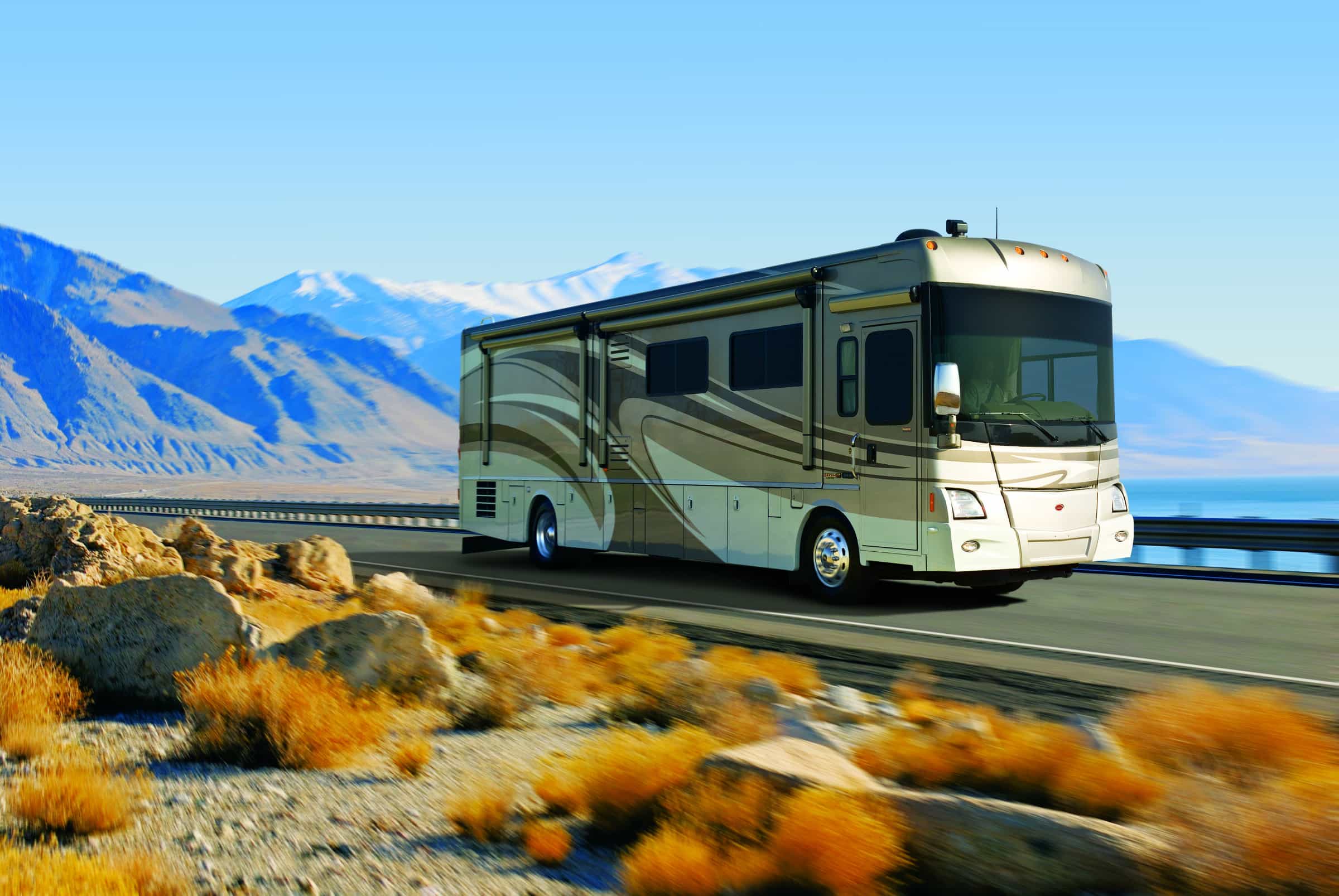
Imagine parking your RV beneath a canopy of stars, miles from the nearest campground, and running your lights, fridge, and even a small coffee maker – all powered by the sun. Building an RV off grid solar system unlocks incredible freedom and savings, letting you explore the backcountry without the constant hum of a generator or the expense of hookup fees. With careful planning and the right installation tips, you can transform your RV into a self-sufficient, eco-friendly home on wheels.
Choosing to install an RV off grid solar system is an investment in your travel lifestyle and financial well-being. No longer are you held hostage by noisy, polluting generators or costly campground fees. This DIY project empowers you to embrace true energy independence, reducing your carbon footprint while significantly lowering your travel expenses. But, even more importantly, proper installation ensures the safety and reliability of your electrical system, preventing potential hazards and ensuring your comfort on the road.
Before you buy any equipment, take a walk around your RV and list all the appliances and devices you want to power with solar energy. Note their wattage (usually found on the appliance label) or amperage (which you can multiply by voltage, usually 120V, to get wattage). This simple calculation will help determine the size of the solar array and battery bank you'll need.
Planning Your RV Off Grid Solar System: Key Considerations
Choosing the right components and planning your installation meticulously are crucial for a successful RV off grid solar system. Start by understanding your energy needs and assessing your RV's roof space. Then, select high-quality components and plan your wiring layout for optimal performance and safety.
Determining Your Energy Needs
The foundation of any successful RV solar installation lies in accurately assessing your energy consumption. Don't just guess; track your usage. A simple way to do this is to note how long you run each appliance or device daily. Then, multiply the wattage of each item by the number of hours used. Add up all these values to estimate your total daily energy consumption in watt-hours. Remember to account for seasonal variations, as you might use more lighting in winter or run your air conditioner more in summer. It's always better to overestimate slightly to ensure you have enough power.
Choosing the Right Solar Panels and Battery Bank
Solar panels come in various wattages and sizes. Choose panels that fit your RV's roof space and provide enough power to meet your energy needs. Monocrystalline panels are generally more efficient and perform better in low-light conditions, but they can be more expensive. Consider flexible solar panels for curved roofs, but keep in mind they may be less efficient and durable.
The battery bank stores the energy generated by your solar panels. Lithium batteries are a popular choice due to their lightweight, high energy density, and long lifespan. AGM batteries are a more affordable alternative, but they are heavier and have a shorter lifespan. Size your battery bank to provide enough power to run your appliances overnight or during periods of low sunlight. A good rule of thumb is to have at least two days' worth of storage.
Selecting the Appropriate Charge Controller and Inverter
The charge controller regulates the flow of energy from the solar panels to the batteries, preventing overcharging and extending battery life. MPPT (Maximum Power Point Tracking) charge controllers are more efficient than PWM (Pulse Width Modulation) controllers, especially in colder climates.
The inverter converts DC power from the batteries to AC power, which is needed to run most household appliances. Choose an inverter with enough capacity to handle the combined wattage of all the AC appliances you plan to use simultaneously. Consider a pure sine wave inverter for sensitive electronics like laptops and TVs, as it provides a cleaner and more stable power supply.
RV Solar Installation: A Step-by-Step Guide
Once you have all the necessary components, it's time to start the installation process. This involves mounting the solar panels, wiring the system, and testing its functionality. Always prioritize safety and follow the manufacturer's instructions carefully.
1.Mounting the Solar Panels: Securely attach the solar panels to your RV's roof using mounting brackets and sealant. Ensure proper ventilation beneath the panels to prevent overheating. If you're drilling into the roof, use self-leveling sealant to prevent leaks.
2.Wiring the Solar Panels: Connect the solar panels in series or parallel, depending on your charge controller's input voltage requirements. Use appropriately sized wiring and waterproof connectors to ensure a reliable connection. Label all wires clearly for easy troubleshooting.
3.Connecting the Charge Controller: Install the charge controller in a well-ventilated area near the batteries. Connect the solar panels to the charge controller's input terminals and the batteries to the output terminals.
4.Wiring the Battery Bank: Connect the batteries in series or parallel to achieve the desired voltage and capacity. Use appropriately sized battery cables and secure connections. Install a fuse or circuit breaker near the battery bank to protect against short circuits.
5.Installing the Inverter: Mount the inverter in a dry, well-ventilated area. Connect the inverter to the battery bank using heavy-gauge cables. Ensure the inverter is properly grounded.
6.Testing the System: Once all the components are connected, test the system to ensure it's working correctly. Use a multimeter to check the voltage and current at various points in the system. Monitor the battery voltage and charge status.
Troubleshooting Common RV Solar Problems
Even with careful planning and installation, you may encounter some issues with your RV off grid solar system. Knowing how to troubleshoot common problems can save you time and frustration.
Low Power Output: If your solar panels aren't producing enough power, check for shading, dirt, or damage. Ensure the panels are properly oriented towards the sun. Verify the wiring connections and check the charge controller settings. Battery Overcharging or Undercharging: If your batteries are overcharging or undercharging, check the charge controller settings and ensure the batteries are properly sized for your system. Inspect the battery connections for corrosion or loose terminals. Inverter Issues:If your inverter is not working, check the input voltage and ensure the battery bank is fully charged. Verify the inverter's settings and check for blown fuses or tripped circuit breakers.
RV Off Grid Solar System: Seasonal Considerations
Solar panel efficiency is affected by ambient temperature, sun angle, and hours of daylight, so what works in July might be insufficient in December. In the summer, ensure your panels have adequate ventilation to prevent overheating, which can reduce their output. In the winter, be prepared to clear snow from your panels regularly. Adjust your energy consumption habits based on the available sunlight, using less power during cloudy days. Consider tilting your solar panels towards the sun during winter months to maximize energy production.
FAQ About RV Off Grid Solar System: Installation Tips
How much does it cost to install an RV off grid solar system?
The cost of an RV off grid solar system can vary widely depending on the size of the system, the quality of the components, and whether you hire a professional installer. A basic system with a few solar panels and a small battery bank can cost a few hundred dollars, while a more advanced system with a larger solar array and lithium batteries can cost several thousand dollars. DIY installation can save you money on labor costs.
Do I need a permit to install solar panels on my RV?
Permit requirements for RV solar installations vary by location. In most cases, you won't need a permit if you're installing the system yourself and it's a relatively small, non-permanent installation. However, it's always a good idea to check with your local authorities to be sure.
How long will my RV solar system last?
The lifespan of an RV solar system depends on the quality of the components and how well they are maintained. Solar panels typically have a lifespan of 25-30 years, while batteries may need to be replaced every 5-10 years. Regular maintenance, such as cleaning the solar panels and checking the wiring connections, can help extend the lifespan of your system.
Can I run my air conditioner on solar power?
Running an RV air conditioner on solar power is possible, but it requires a significant amount of solar panels and battery storage. Air conditioners consume a lot of power, so you'll need a large solar array to generate enough energy to run it, especially during peak hours. You'll also need a large battery bank to store the energy and run the air conditioner overnight or during cloudy days.
What size inverter do I need for my RV solar system?
The size of the inverter you need depends on the total wattage of all the AC appliances you plan to use simultaneously. Add up the wattage of each appliance and choose an inverter with a capacity that exceeds that total. It's always better to choose a slightly larger inverter than you think you need, as this will provide a buffer and prevent overloading.
What are the benefits of using lithium batteries in my RV solar system?
Lithium batteries offer several advantages over traditional lead-acid batteries, including lighter weight, higher energy density, longer lifespan, and faster charging. They are also more efficient and can be discharged to a greater depth without damaging the battery. While lithium batteries are more expensive upfront, their longer lifespan and better performance can make them a worthwhile investment.
With these RV off grid solar system: installation tips in mind, your next step is to finalize your energy needs assessment and research the best solar panels and batteries for your budget. There's a world of adventure waiting, powered by the sun.
Post a Comment for "RV Off Grid Solar System: Installation Tips"