Solar Heater for Pool DIY: Simple Guide for Families
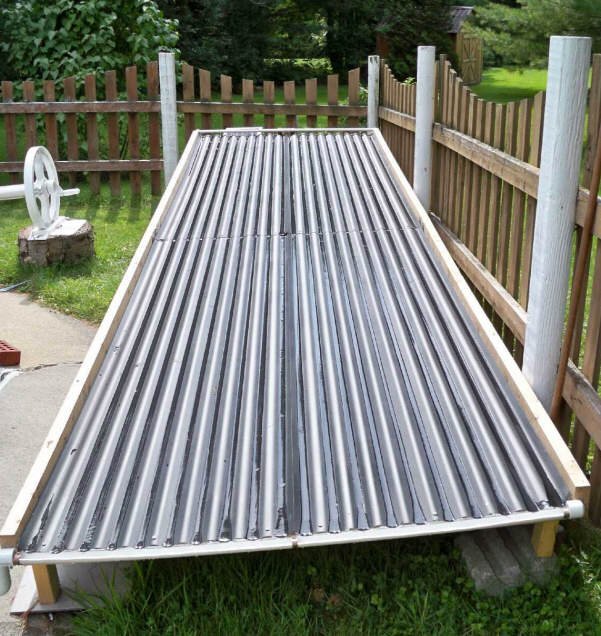
Imagine diving into your own backyard pool, the water a comfortable temperature, not icy cold like it often is at the start and end of summer. That’s the promise of a DIY solar pool heater, and it's a lot more achievable than you might think. Building a solar heater for your pool is a fantastic family project that can extend your swimming season, cut down on energy bills, and teach valuable skills all at the same time.
Why take on a DIY solar pool heater? For starters, commercially available pool heaters can be expensive, both to purchase and to run. They often rely on natural gas or electricity, adding a significant cost to your monthly bills. A DIY solar pool heater, on the other hand, harnesses the free and abundant energy of the sun, significantly reducing or even eliminating those heating costs. Plus, it's an environmentally friendly alternative, contributing to a more sustainable lifestyle. Imagine that extra bit of vacation money each year!
Here's a tip you can try right now: Take a walk around your yard and note the areas that get the most direct sunlight throughout the day. These are the prime locations for positioning your solar pool heater to maximize its effectiveness.
Solar Heater for Pool DIY: Your Comprehensive Family Guide
This guide breaks down the process of building a simple and effective solar pool heater, perfect for families looking to dip their toes into renewable energy savings. We'll cover the essential components, construction steps, and tips for maximizing performance, ensuring a warmer, more enjoyable swimming experience.
Understanding the Basics of DIY Solar Pool Heating
A DIY solar pool heater works by circulating pool water through a series of dark-colored pipes or panels exposed to sunlight. The sun's energy heats the water as it passes through these collectors, and then the warmed water is returned to the pool. This process continually repeats, gradually raising the pool's temperature. This contrasts directly with traditional gas heaters that burn fuel to directly heat the water, resulting in higher utility costs.
The basic components you'll need include: Black PVC pipe: Black absorbs heat best. Pool pump: Your existing pool pump can usually be utilized. Connectors and fittings: To connect the pipes and pump. Mounting surface: A frame or structure to hold the pipes. Optional:Automatic controller: For greater ease of use.
Planning Your Solar Pool Heater Project
Before you start buying materials and assembling your heater, it's essential to plan your project carefully. Consider the size of your pool, the amount of sunlight your yard receives, and your budget. These factors will influence the size and complexity of your solar heater.
Calculating Your Pool's Needs
The size of your pool will dictate the size of your solar collector system. A larger pool requires a larger collector area to effectively heat the water. Generally, the surface area of your solar collector should be roughly 50-100% of the surface area of your pool, depending on your climate and desired temperature increase. Consider contacting a pool professional for calculations or use online pool volume calculators.
Choosing the Right Location
Optimal placement is key to maximizing your solar heater's performance. A south-facing location is ideal in the northern hemisphere, as it receives the most direct sunlight throughout the day. Make sure the location is free from obstructions, such as trees or buildings that could cast shadows on the collector. Tilting the collector towards the sun (around your latitude angle) will also increase its efficiency.
Building Your DIY Solar Pool Heater: Step-by-Step
Now for the fun part! Here's a simple guide to building a basic solar pool heater using black PVC pipe:
1.Build the frame: Construct a sturdy frame from wood or metal to support the PVC pipes. The frame should be slightly angled towards the sun.
2.Assemble the collector: Connect the black PVC pipes together using connectors and fittings. Create a series of parallel pipes, ensuring they are securely fastened to the frame. Typically, you’d use PVC cement to ensure a watertight seal.
3.Connect to the pump: Attach the inlet pipe to the pool pump's outlet and the outlet pipe to the pool's return line. You may need to use adapters to connect the PVC pipe to your existing pool plumbing.
4.Test for leaks: Before running the system, carefully inspect all connections for leaks. Repair any leaks immediately.
5.Start the system: Turn on the pool pump and allow the water to circulate through the solar heater. Monitor the water temperature to ensure the system is working effectively.
Optimizing Performance and Seasonal Considerations
To maximize the efficiency of your DIY solar pool heater, consider these tips: Insulate the pipes: Insulating the pipes, especially the inlet and outlet pipes, will help prevent heat loss. Use a pool cover: A pool cover will help retain heat in the pool, reducing the amount of energy needed to maintain a comfortable temperature. Adjust the angle: As the seasons change, adjust the angle of the collector to optimize its exposure to sunlight. Monitor regularly: Check the system regularly for leaks or other issues. Ensure the pump is running efficiently and the water is circulating properly.
In colder climates, you may need to winterize your solar pool heater to prevent damage from freezing temperatures. This typically involves draining the water from the pipes and covering the collector. The best time to start considering this is late fall, well before the first hard freeze.
Safety First: Important Considerations
Safety should always be a top priority when working on any DIY project. Here are some important safety considerations for building and using your solar pool heater: Wear safety glasses: Protect your eyes from debris when cutting or assembling materials. Use caution when working with tools: Follow the manufacturer's instructions and use appropriate safety precautions. Disconnect power: Disconnect the pool pump from its power source before working on the plumbing. Inspect for leaks: Regularly inspect the system for leaks to prevent water damage or electrical hazards. Don't overheat:Be careful not to overheat the pool water, as this could damage the pool liner or create uncomfortable swimming conditions. Use a thermometer to monitor the water temperature.
Troubleshooting Common Solar Pool Heater Issues
Even with careful planning and construction, you might encounter some issues with your DIY solar pool heater. Here are some common problems and solutions: Low water temperature: Check for obstructions in the pipes, ensure the collector is receiving adequate sunlight, and consider adding more collector area. Leaks: Repair any leaks immediately to prevent water loss and potential damage. Pump problems: Ensure the pump is functioning properly and that the filter is clean. Algae growth: Algae can grow in the pipes, reducing efficiency. Flush the system regularly with a diluted bleach solution.
Signs of a Failing Solar Setup
Keep an eye out for these warning signs: Decreased water temperature: If your pool isn't heating up as much as it used to, there could be a problem with the collector, pump, or plumbing. Visible damage: Cracks, leaks, or other damage to the collector or pipes can reduce efficiency and potentially cause safety hazards. Unusual noises:Grinding, squealing, or other unusual noises from the pump could indicate a problem.
If you notice any of these signs, take action immediately to diagnose and address the issue. Ignoring these problems could lead to more significant damage and costly repairs.
DIY Solar Beyond the Pool: Expanding Your Green Energy Footprint
Once you've experienced the benefits of DIY solar pool heating, you might be inspired to explore other renewable energy projects. Consider building a solar water heater for your home, installing solar lights in your garden, or even setting up a small off-grid solar system to power some of your household appliances. Solar kits can be a great starting point. The possibilities are endless!
Region-Specific and Seasonal DIY Considerations
Remember that solar DIY projects will vary based on your location. In colder climates, winterizing is crucial. In hotter, sunnier climates, overheating might be a concern. Check your local regulations and homeowner's association rules before starting any project. Adapt your design and materials to suit your local environment and seasonal changes.
Frequently Asked Questions About DIY Solar Pool Heaters
How much does it cost to build a DIY solar pool heater?
The cost can vary depending on the size and complexity of your project, but typically ranges from $100 to $500. Black PVC pipe is relatively inexpensive. The pump is usually already in place.
Do I need a permit to install a solar pool heater?
Permit requirements vary by location. Check with your local building department to determine if a permit is required.
How long will a DIY solar pool heater last?
With proper maintenance, a DIY solar pool heater can last for many years. The lifespan of the PVC pipes can be 10-20 years, depending on the quality of the materials and the weather conditions.
Can I use a regular pool pump for a solar pool heater?
Yes, you can typically use your existing pool pump, provided it's powerful enough to circulate the water through the collector. Check the pump's flow rate and head pressure to ensure it's adequate.
How much warmer will my pool get with a solar heater?
The amount of temperature increase depends on factors such as the size of the pool, the size of the collector, the amount of sunlight, and the ambient temperature. A well-designed system can typically raise the pool temperature by 5-10 degrees Fahrenheit.
Is a DIY solar pool heater safe for my family?
Yes, with proper planning and construction, a DIY solar pool heater can be a safe and effective way to heat your pool. Follow safety precautions when working with tools and electricity, and regularly inspect the system for leaks or other issues.
Ready to take the plunge? Start gathering your materials, sketching out your design, and getting your family involved. Building a solar heater for your pool is not just a practical project; it's a fun and educational experience that can create lasting memories and a warmer, more enjoyable swimming season for everyone.
Post a Comment for "Solar Heater for Pool DIY: Simple Guide for Families"