DIY Solar Generators: Portable Power Projects
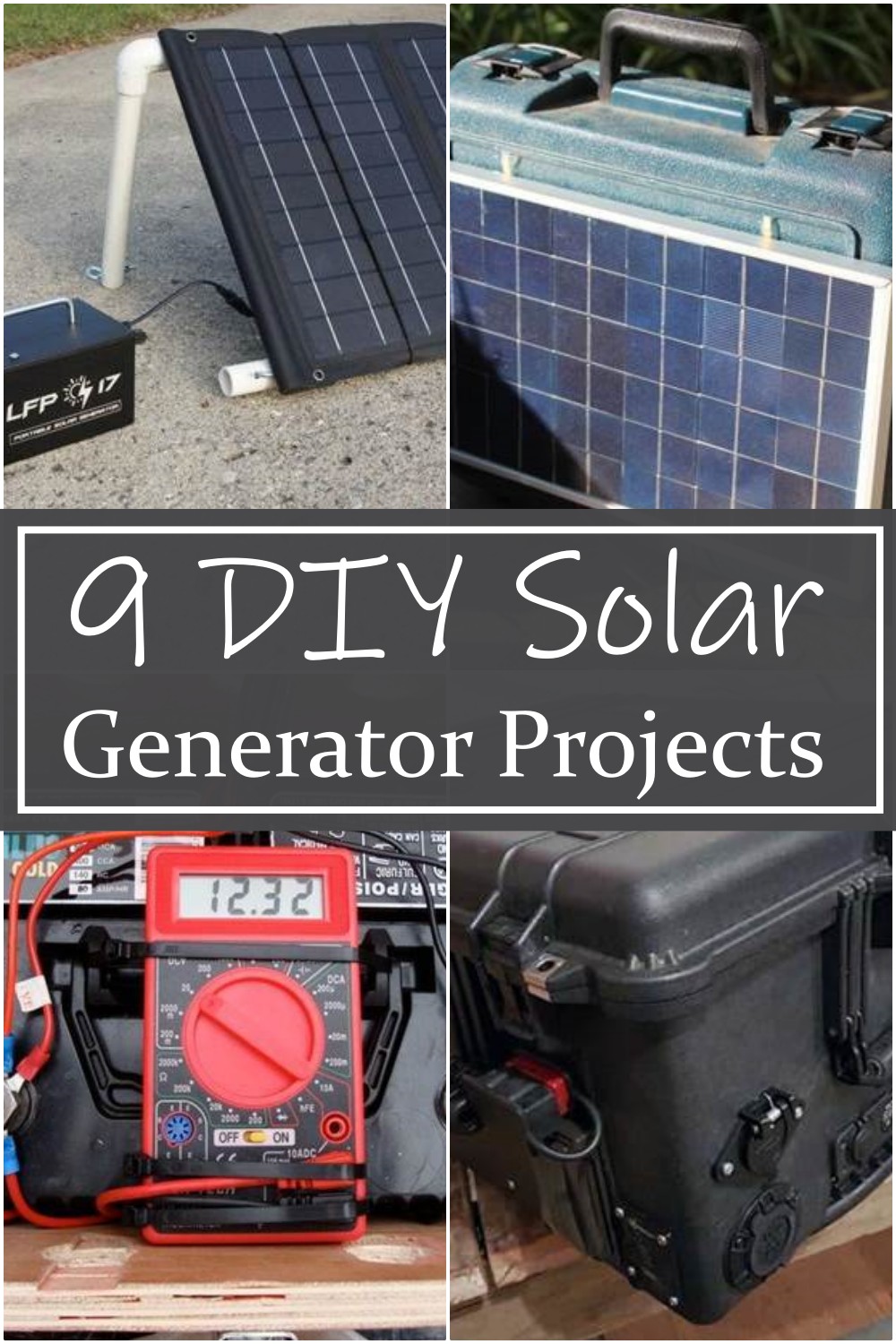
Imagine a world where power outages become minor inconveniences, camping trips are filled with the comforts of home, and your reliance on the grid steadily diminishes. That’s the promise of DIY solar generators: portable power projects that empower you to create your own clean energy source, customized to your specific needs and budget. These projects can range from simple USB chargers to power banks capable of running small appliances, offering incredible flexibility and freedom.
The appeal of DIY solar projects extends far beyond mere cost savings, although that's certainly a major factor. Building your own solar generator provides a tangible sense of independence and self-sufficiency. You gain a deep understanding of how electricity is generated, stored, and used, making you less vulnerable to disruptions and more confident in managing your energy consumption. In an increasingly unpredictable world, that peace of mind is priceless.
Here's a quick tip to get started: Begin by assessing your power needs. Make a list of the devices you want to power with your DIY solar generator and note their wattage requirements. This will help you determine the size of the solar panel, battery, and inverter you'll need.
Understanding DIY Solar Generators: Portable Power Projects
Building a DIY solar generator involves combining several key components: a solar panel to capture sunlight, a charge controller to regulate the flow of energy to the battery, a battery to store the captured energy, and an inverter to convert the battery's DC power to AC power suitable for most household devices. The scale of your project will determine the size and specifications of these components. For a small USB charging station, a small solar panel, a USB charge controller, and a power bank battery may suffice. For a larger system capable of running appliances, you'll need a more powerful solar panel, a robust charge controller, a deep-cycle battery (like a marine or lithium battery), and an inverter capable of handling the load.
Before you begin, it's crucial to understand the basics of electrical safety. Always disconnect the power source before working on any electrical components. Use properly insulated tools and wear appropriate safety gear, such as gloves and eye protection. If you're unsure about any aspect of the project, consult a qualified electrician. While most DIY solar generator projects don't require permits, it's worth checking local regulations, especially if you plan to connect your system to the grid or install larger solar panel arrays.
Choosing the Right Components for Your DIY Solar Generator
Selecting the right components is crucial for the success of your DIY solar generator project. Solar panels are rated by wattage, which indicates their power output under standard test conditions. Consider the amount of sunlight your location receives and choose a panel that's appropriately sized for your needs. Charge controllers protect the battery from overcharging and deep discharging. MPPT (Maximum Power Point Tracking) charge controllers are more efficient than PWM (Pulse Width Modulation) controllers, especially in colder climates, as they optimize the power transfer from the solar panel to the battery. Deep-cycle batteries are designed to withstand repeated charging and discharging cycles, making them ideal for solar power storage. Inverters convert the DC power from the battery to AC power, which is used by most household appliances. Ensure the inverter's wattage rating is sufficient to handle the combined load of the devices you plan to power.
Common Home Projects Using DIY Solar Generators
DIY solar generators are incredibly versatile and can be used for a wide range of home projects. A small, portable unit is perfect for camping, powering electronic devices during power outages, or charging tools in the backyard. Larger systems can be used to supplement your home's electricity supply, reducing your reliance on the grid and lowering your energy bills.
One popular project is building a solar-powered USB charging station. This is a relatively simple project that can be completed in a weekend. It involves connecting a small solar panel to a USB charge controller and a power bank battery. This setup is perfect for charging phones, tablets, and other small electronic devices. Another common project is building a portable solar generator for camping. This involves connecting a larger solar panel to a charge controller, a deep-cycle battery, and an inverter. This setup can power lights, fans, and even small appliances. Some people are using DIY solar generators for water heating with immersion heaters that run on 12v or 24v, or to heat small portable pools safely.
Solar Panel Placement and Orientation
Optimizing solar panel placement and orientation is key to maximizing energy generation. In the northern hemisphere, solar panels should generally face south to capture the most sunlight. The optimal tilt angle depends on your latitude and the season. A general rule of thumb is to set the tilt angle equal to your latitude in the winter and subtract 15 degrees from your latitude in the summer. Avoid shading from trees, buildings, or other obstructions, as even partial shading can significantly reduce the panel's output. Consider using a solar panel mounting system that allows you to adjust the tilt angle throughout the year to optimize energy production.
Off-Grid Energy Systems and Storage
For those looking to achieve greater energy independence, DIY solar generators can be integrated into larger off-grid energy systems. These systems typically involve a larger solar panel array, a more sophisticated charge controller, a bank of deep-cycle batteries, and an inverter capable of handling the entire household's load.
Solar kits provide a convenient way to get started with off-grid solar. These kits typically include all the necessary components, along with detailed instructions. Many RV enthusiasts are building DIY solar generators to power their recreational vehicles while traveling. This allows them to boondock (camp without hookups) for extended periods. The same principles apply to off-grid cabins and tiny homes. Choosing lithium batteries, rather than lead-acid, can offer better longevity and a lighter weight.
Troubleshooting Common DIY Solar Setup Issues
Even with careful planning, issues can arise with DIY solar setups. Low output from the solar panel can be caused by shading, incorrect tilt angle, or a dirty panel surface. Wiring mistakes can lead to short circuits or voltage drops. A faulty charge controller can prevent the battery from charging properly. Poor battery maintenance can shorten its lifespan. Signs of these problems may include dim lights, slow charging times, or a battery that quickly discharges. Regularly inspect your system for any signs of damage or wear. Use a multimeter to check voltage and current levels. Consult the manufacturer's documentation for troubleshooting tips. And remember, if you're uncomfortable with any aspect of the troubleshooting process, seek the help of a qualified electrician.
Efficiency and Comfort Tips for Your DIY Solar Generator
Maximizing the efficiency of your DIY solar generator and ensuring comfortable use involves careful planning and attention to detail. Choose energy-efficient appliances and lighting to reduce your power consumption. Consider using LED bulbs, which consume significantly less energy than traditional incandescent bulbs. Install smart plugs and timers to control the use of devices.
Pay attention to safety. Ensure all wiring connections are secure and properly insulated. Use surge protectors to protect your devices from power surges. Regularly check the battery for signs of corrosion or damage. Store the battery in a well-ventilated area to prevent the buildup of flammable gases. Seasonal considerations are also important. In colder climates, solar panel efficiency can decrease due to snow cover. Be sure to clear the panels regularly to maintain optimal performance. In hotter climates, protect the battery from extreme heat to prolong its lifespan.
DIY Solar Generator Safety Checks
Regular safety checks are essential for preventing accidents and ensuring the longevity of your DIY solar generator. Visually inspect all wiring for signs of damage, such as cracks, fraying, or exposed conductors. Check the battery terminals for corrosion and clean them with a wire brush if necessary. Ensure the charge controller and inverter are properly ventilated to prevent overheating. Test the system's grounding to ensure it's properly grounded. If you smell burning or notice any unusual sounds, immediately disconnect the system and investigate the cause. Regularly review the manufacturer's documentation for safety recommendations and maintenance procedures.
FAQ: DIY Solar Generators - Portable Power Projects
What is the average cost to build a DIY solar generator?
The cost varies widely depending on the size and components, but a basic unit for charging small electronics can be built for under $200, while larger systems capable of powering appliances can range from $500 to $1500 or more.
Do I need a permit to build a DIY solar generator?
For small, portable systems that are not connected to the grid, permits are typically not required. However, it's always a good idea to check local regulations to be sure, especially if you plan to connect your system to the grid or install a large solar panel array.
How long will a DIY solar generator last?
The lifespan of a DIY solar generator depends on the quality of the components and how well they are maintained. Solar panels can last for 25 years or more, while batteries typically last for 3-10 years, depending on the type and usage. Charge controllers and inverters can last for 5-15 years.
What type of battery is best for a DIY solar generator?
Deep-cycle batteries are recommended for DIY solar generators because they are designed to withstand repeated charging and discharging cycles. Lithium batteries offer better performance and longevity but are more expensive. Lead-acid batteries are a more affordable option but require more maintenance.
Can I connect my DIY solar generator to my home's electrical system?
Connecting a DIY solar generator to your home's electrical system requires careful planning and may require permits and inspections. It's important to use a grid-tie inverter and follow all applicable electrical codes to ensure safety and prevent damage to your system.
How do I calculate the size of the solar panel and battery I need?
Start by listing the devices you want to power and their wattage requirements. Then, estimate the amount of time each device will be used per day. Multiply the wattage by the usage time to determine the daily energy consumption in watt-hours. Add up the energy consumption of all devices to get the total daily energy consumption. Divide the total daily energy consumption by the number of peak sun hours in your location to determine the size of the solar panel needed. Multiply the total daily energy consumption by the number of days of autonomy you want to have to determine the size of the battery needed.
Ready to embrace energy independence and build your own clean power source? Start small, research thoroughly, and prioritize safety. Your journey towards a more sustainable and self-sufficient future begins now.
Post a Comment for "DIY Solar Generators: Portable Power Projects"