Homemade Solar Panel: Build vs. Buy
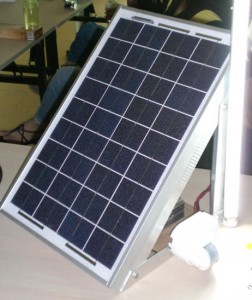
Imagine slashing your energy bill while sticking it to the power company, all with a project you built yourself. That's the allure of creating your own source of renewable energy. The big question: is tackling a homemade solar panel build worth the effort, or is it better to simply buy a ready-made system? Choosing the right path depends on your technical skills, budget, and commitment to the project.
Dipping your toes into the world of DIY solar panels can be more than just a fun weekend project. It’s about achieving greater energy independence, understanding the technology that powers your home, and reducing your environmental impact. Many homeowners dream of a life less dependent on traditional power grids, and DIY solar offers a tangible route to that freedom. But navigating the world of inverters, charge controllers, and wattage calculations can feel overwhelming at first, so remember to go slow and prioritize safety.
Here's a quick win: assess your home's sun exposure. Spend an hour observing which areas of your roof or property receive the most direct sunlight during the day. This initial assessment will be valuable whether you ultimately decide to build or buy your solar panels.
Homemade Solar Panel: Build vs. Buy - The Real Deal
The decision between building a homemade solar panel versus buying a commercially manufactured one is a balancing act. Let’s break down the pros and cons of each to help you decide which route aligns best with your goals and capabilities.
Building your own solar panels often translates to significant cost savings upfront. You're sourcing individual components, such as solar cells, backing boards, and encapsulating materials, which can be significantly cheaper than buying a fully assembled panel. This can be particularly appealing for small-scale projects like powering a shed, a garden, or a small off-grid cabin. However, it demands a considerable time investment, a solid understanding of electrical principles, and meticulous attention to detail. The success of your project hinges on your ability to correctly assemble the panel and ensure proper weatherproofing.
Purchasing pre-built solar panels offers the convenience of plug-and-play installation. These panels are rigorously tested, certified for safety, and often come with performance warranties. While the initial investment is higher, you're buying peace of mind and guaranteed performance. Commercial panels are also more efficient in converting sunlight into electricity, meaning you can generate more power from a smaller area. If you’re seeking a reliable and hassle-free solar solution for your entire home, opting for pre-built panels is generally the smarter choice.
What are the advantages of building your own solar panel?
Building a homemade solar panel offers advantages like: Cost savings: Sourcing individual components can be cheaper than buying pre-built panels. Customization: You can tailor the panel size and wattage to your specific needs. Educational experience: You gain a deep understanding of how solar panels work. Self-sufficiency: It's satisfying to generate your own power from a system you created.
These benefits are most pronounced in smaller applications.
Essential Considerations for DIY Solar Projects
Before you dive headfirst into constructing your own solar panels, it's crucial to understand the key factors that will determine the success and longevity of your DIY solar project.
Location, Location, Location: Proper panel orientation is paramount. In the Northern Hemisphere, panels should ideally face south to maximize sunlight exposure. Adjust the tilt angle based on your latitude and the season. For example, during winter, a steeper angle will capture more of the lower-angled sun. Regularly check for shading from trees or buildings, which can significantly reduce panel output.
Component Quality is Key: Don't skimp on the quality of your solar cells, encapsulants, and wiring. Cheap components can lead to decreased efficiency, premature failure, and even safety hazards. Look for cells with high efficiency ratings and UV-resistant encapsulating materials. Proper wiring is also essential for minimizing energy loss.
Safety First: Working with electricity can be dangerous. Always disconnect the power source before working on your solar panel system. Wear appropriate safety gear, including gloves and eye protection. Consult with a qualified electrician if you're unsure about any aspect of the installation. This is particularly important when connecting your system to your home's electrical grid.
DIY Solar Panel Projects: What Can You Power?
Homemade solar panels are surprisingly versatile, lending themselves to a variety of exciting and practical projects around your home and beyond.
Small-Scale Power: DIY panels are perfect for powering garden lights, water features, or a small greenhouse. A single panel can easily keep your outdoor spaces illuminated at night.
Off-Grid Adventures: If you're an avid camper or RVer, homemade solar panels can be a game-changer. They can charge your batteries, power your appliances, and keep your devices running while you're off the grid.
Emergency Preparedness: A small solar setup can provide a valuable backup power source during power outages. You can use it to charge phones, power radios, and keep essential appliances running.
Pool Heating: Building solar collectors for pool heating can substantially reduce your energy bills. These collectors use sunlight to heat water, which is then circulated back into your pool.
Important Note: Be realistic about the power output of your homemade panels. They may not be suitable for powering energy-intensive appliances like air conditioners or electric heaters without a substantial investment in components and significant electrical expertise.
Off-Grid Solar Power and Energy Storage
Many DIY solar enthusiasts dream of complete energy independence. Off-grid systems make this dream a reality, allowing you to generate and store your own power, independent of the traditional grid.
Off-grid systems typically consist of solar panels (either homemade or commercially purchased), a charge controller, batteries for energy storage, and an inverter. The charge controller regulates the flow of electricity from the panels to the batteries, preventing overcharging. The batteries store the energy generated by the panels, providing power when the sun isn't shining. The inverter converts the DC power from the batteries into AC power, which is used by most household appliances.
Sizing your off-grid system correctly is crucial. You need to accurately estimate your energy consumption to determine the number of panels and the battery capacity you'll need. Consider seasonal variations in sunlight availability and adjust your system accordingly. A professional energy audit can help you determine your energy needs accurately.
How much do solar kits typically cost, and are they a good alternative to building?
Solar kits vary greatly in price depending on their size and power output, ranging from a few hundred dollars for small portable kits to several thousand dollars for whole-house systems. They offer a middle ground between building from scratch and purchasing individual components. They provide convenience and often include all necessary hardware and instructions, simplifying the installation process. They are a great option for those who want a less hands-on experience, but still want some control over the setup of their solar energy system.
Troubleshooting Common DIY Solar Panel Issues
Even with careful planning and execution, problems can sometimes arise with DIY solar panels. Here’s how to spot and address some common issues:Low Power Output: If your panels aren't generating as much power as expected, start by checking for shading or dirt accumulation. Clean the panels regularly with a soft cloth and mild detergent. Also, inspect the wiring for loose connections or corrosion. A multimeter can be used to test the voltage and current of each panel to identify any faulty cells.
Wiring Problems: Incorrect wiring can lead to energy loss, system malfunction, or even fire hazards. Double-check all wiring connections to ensure they are secure and properly insulated. Use appropriate wire gauges for the current being carried. If you're not comfortable working with electrical wiring, consult a qualified electrician.
Weather Damage: Solar panels are generally durable, but they can be damaged by extreme weather conditions like hailstorms or high winds. Regularly inspect your panels for cracks, breaks, or other signs of damage. Replace any damaged panels promptly to prevent further problems. Consider investing in protective covers for your panels during severe weather events.
FAQ: Homemade Solar Panels
Can I connect a homemade solar panel directly to my home's electrical grid?
No, connecting a homemade solar panel directly to your home's electrical grid is generally not safe or legal. You need a grid-tie inverter and proper permits, and the system must meet strict safety standards.
What are the basic components needed to build a homemade solar panel?
You'll need solar cells, a backing board, encapsulating material (like epoxy resin), wiring, and a junction box. Optionally, you may also want to include a frame.
How efficient are homemade solar panels compared to commercially produced panels?
Commercially produced panels are typically more efficient due to advanced manufacturing processes. Homemade panels will likely have lower efficiency, but can still be cost-effective for small projects.
Do I need a permit to install a homemade solar panel system?
Permit requirements vary depending on your location and the size of your system. It's essential to check with your local building department to determine what permits are required before you begin your project.
What safety precautions should I take when building a homemade solar panel?
Always wear safety glasses and gloves when working with solar cells and epoxy resin. Work in a well-ventilated area. Disconnect any power sources before working on electrical wiring. Consult with a qualified electrician if you have any doubts about the safety of your system.
How long will a homemade solar panel last?
The lifespan of a homemade solar panel depends on the quality of the components and the care taken during construction. With proper maintenance, a well-built panel can last for 10-20 years, but it likely won't match the 25-30 year lifespan of commercial panels.
The decision to build or buy really hinges on your priorities. If you relish the challenge of a hands-on project, want to save money upfront, and enjoy learning about solar technology, building a homemade solar panel could be an incredibly rewarding experience. However, if you value convenience, reliability, and long-term performance, investing in a commercially manufactured system is likely the wiser choice. Take some time today to research your local solar incentives and financing options. This can significantly offset the cost of a professionally installed system, making renewable energy more accessible than ever.
Post a Comment for "Homemade Solar Panel: Build vs. Buy"