Solar Pool Heaters DIY: Cut Costs and Extend Swimming Season
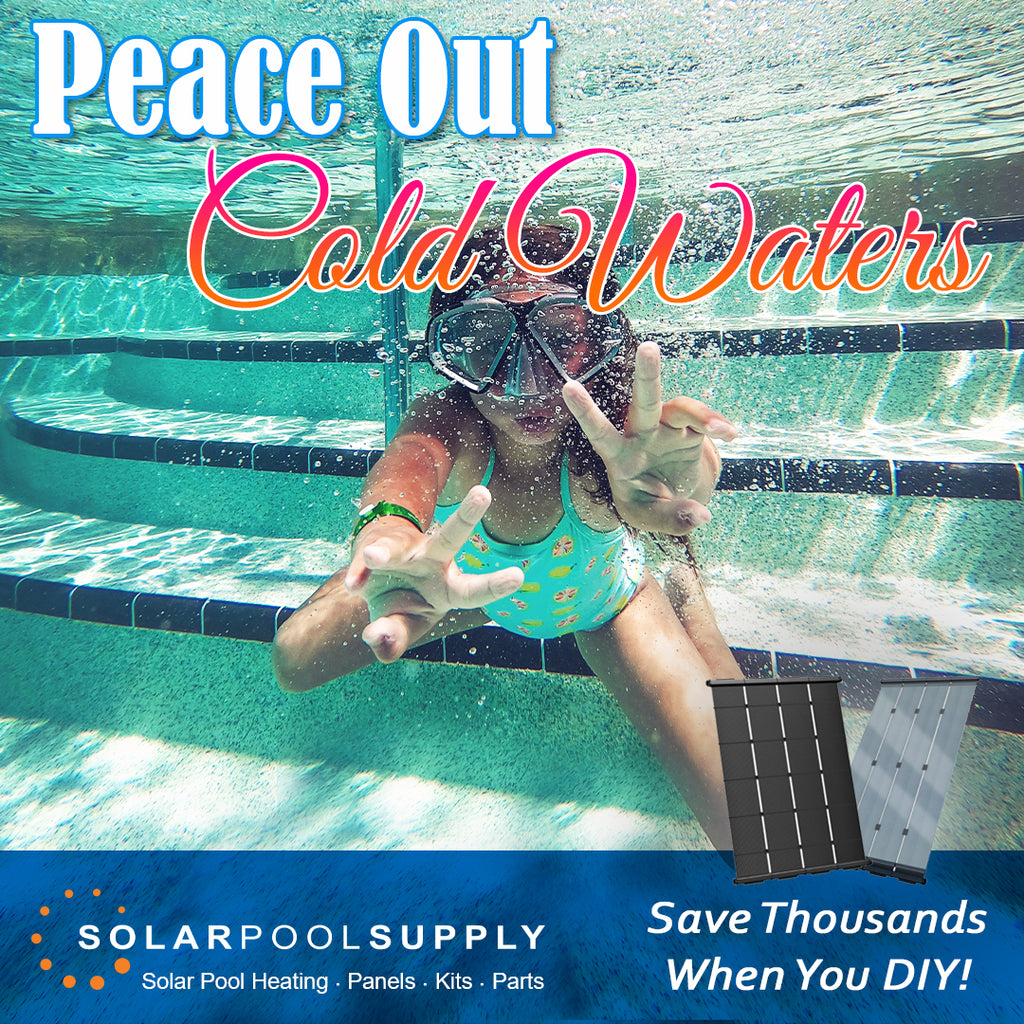
Imagine diving into your swimming pool in late September, the water still wonderfully warm while your neighbors have already closed theirs for the season. Or picture slashing your energy bills by hundreds of dollars each year, all thanks to harnessing the free power of the sun. It’s possible with Solar Pool Heaters DIY: Cut Costs and Extend Swimming Season.
Taking control of your pool's heating with a DIY solar setup isn't just about saving money; it’s about energy independence and enjoying your backyard oasis on your own terms. It’s about reducing your reliance on fossil fuels and creating a sustainable lifestyle for yourself and your family. Furthermore, it's incredibly satisfying to build something yourself that directly impacts your comfort and finances.
Here’s a simple action you can take right now: assess your pool's sun exposure. Note the hours of direct sunlight it receives daily during the swimming season. This will be crucial in determining the size and type of solar pool heater you’ll need.
Building Your Own Solar Pool Heater System
DIY solar pool heating offers a fantastic way to dramatically lower pool heating costs. Traditional gas or electric heaters can be incredibly expensive to run, especially if you’re aiming for consistently comfortable water temperatures. A well-designed DIY solar system uses the sun's energy to heat the water, significantly reducing or even eliminating your reliance on conventional energy sources.
However, a successful DIY project requires planning and a good understanding of the basics. Let's break down the essential steps involved in building your own solar pool heater.
Planning and Design: Matching Your Pool to the Sun
The first step is determining the right size and type of solar collector for your pool. The required surface area of the solar collector typically ranges from 50% to 100% of your pool's surface area, depending on your climate, the desired water temperature, and the orientation of your pool. Pools located in sunnier regions or those wanting to keep the pool extra warm can lean towards the higher end of that range.
There are two main types of DIY solar pool heaters: Panel Systems:These involve installing multiple solar panels, typically made of black polypropylene or similar materials, on a roof or other sunny location. Water is pumped from the pool, through the panels to absorb heat, and then returned to the pool.
Coil Systems: These are simpler to construct, often using black irrigation tubing coiled into a large collector. While less efficient than panel systems, they're more affordable and easier for beginners.
Regardless of which system you choose, careful planning is crucial. Consider the following: Location: The ideal location should receive maximum direct sunlight throughout the day, preferably facing south (in the northern hemisphere). Roof Suitability: If you're mounting panels on your roof, ensure it's structurally sound and can handle the added weight. Check local building codes and HOA regulations regarding solar panel installations. Plumbing:You'll need to connect the solar collector to your pool's existing plumbing system. This involves running pipes from the pool pump to the collector and back.
Gathering Materials and Tools
Once you've finalized your design, it's time to gather the necessary materials and tools. Here's a general list: Solar Collector: Panels or tubing, depending on the system you choose. Piping: PVC or other suitable piping to connect the system. Fittings: Connectors, valves, and adapters to ensure a leak-proof system. Pump: A dedicated pump or using your existing pool pump (ensure it has sufficient capacity). Mounting Hardware: Brackets, screws, and other hardware to secure the collector. Tools: Saw, drill, pipe cutter, PVC cement, wrench, measuring tape, and safety glasses.
Consider purchasing a solar pool heater DIY kit. These kits bundle all the necessary components, simplifying the process and ensuring compatibility.
Installation and Testing
With all the materials and tools ready, you can begin the installation process. Here's a step-by-step overview:
1.Mount the Solar Collector: Securely mount the panels or coil in the chosen location. Ensure proper support and consider wind loads.
2.Plumb the System: Connect the piping from the pool pump to the collector inlet and from the collector outlet back to the pool return line.
3.Install Valves: Install bypass valves to control the flow of water through the solar collector. This allows you to turn the system on and off as needed.
4.Connect the Pump: If using a dedicated pump, connect it to the system's plumbing and electrical supply.
5.Test for Leaks: Carefully inspect all connections for leaks. Tighten fittings or apply additional sealant as needed.
6.Start the System: Gradually start the pump and monitor the water temperature. Adjust the flow rate as necessary to achieve optimal heating.
Maintaining Your Solar Pool Heater
Once installed, your DIY solar pool heater requires minimal maintenance. Regularly inspect the system for leaks, clogs, or damage. Clean the solar collector periodically to remove debris and maintain optimal performance. In colder climates, drain the system during the winter to prevent freezing.
Off-Grid Solar Pool Heating Considerations
Taking your solar pool heater off-grid can offer greater energy independence. To do this, you will need a solar panel (or an array of panels) to power the pump. Here's what to consider: Sizing the Solar Panel: Calculate the pump's wattage and select a solar panel that can provide sufficient power, even on cloudy days. It's generally a good idea to oversize the panel by 20-30% to account for variations in sunlight. Battery Storage (Optional): A battery bank allows you to run the pump even when the sun isn't shining. This is essential if you want to maintain consistent water temperatures. Charge Controller: This device regulates the flow of electricity from the solar panel to the battery, preventing overcharging. Inverter (If Needed): If your pump requires AC power, you'll need an inverter to convert the DC power from the battery to AC.
Going off-grid adds complexity to the project, but it significantly enhances your energy independence and reduces your carbon footprint.
Troubleshooting Common Issues
Even with careful planning, some common issues can arise with DIY solar pool heaters. Here are some tips for troubleshooting: Low Water Temperature: Check for shading on the solar collector, inadequate flow rate, or leaks in the system. Leaks: Tighten fittings, replace worn-out seals, or repair damaged pipes. Pump Problems: Check for clogs, electrical issues, or a faulty pump motor. Reduced Efficiency: Clean the solar collector, optimize the flow rate, and ensure proper orientation.
Regularly inspect your system and address any issues promptly to maintain optimal performance and extend the lifespan of your solar pool heater.
Solar Pool Heaters DIY: Region-Specific Considerations
Keep in mind that the effectiveness of your DIY solar pool heater will depend on your specific climate. In sunnier regions, you can likely get away with a smaller collector surface area. In colder climates, you may need a larger collector and consider insulation for your pool to retain heat. Also, remember to winterize your system properly in regions with freezing temperatures to prevent damage.
Solar Pool Heaters DIY: Seasonal Needs
Your pool heating needs will change throughout the year. In the peak of summer, you may not even need to use the solar heater. Use bypass valves to control the flow of water through the system and adjust as needed. During the shoulder seasons (spring and fall), the solar heater will be most valuable in extending your swimming season.
FAQ
How much does a DIY solar pool heater cost?
The cost varies depending on the size and complexity of the system. A simple coil system can cost as little as $100-$300, while a panel system can range from $500 to $2000 or more.
Are permits required for DIY solar pool heaters?
Permitting requirements vary by location. Check with your local building department and HOA before starting the project.
How long will a DIY solar pool heater last?
With proper maintenance, a well-constructed DIY solar pool heater can last 10-20 years or more.
Is a DIY solar pool heater as effective as a commercial system?
While commercial systems may be more efficient, a well-designed and properly installed DIY system can be highly effective and offer significant cost savings.
Can I use my existing pool pump for a solar pool heater?
Yes, but ensure your pump has sufficient capacity to handle the additional flow resistance of the solar collector.
What size solar collector do I need?
A general rule is that the collector surface area should be 50%-100% of your pool's surface area, depending on your climate and desired water temperature.
Ready to take the plunge and extend your swimming season while saving money? Start planning your Solar Pool Heaters DIY project today. Research components, sketch a design, and get ready to enjoy warmer waters for longer!
Post a Comment for "Solar Pool Heaters DIY: Cut Costs and Extend Swimming Season"