Renewable Energy for Minimalist Millennials: Eco-Friendly Solutions That Simplify Your Life
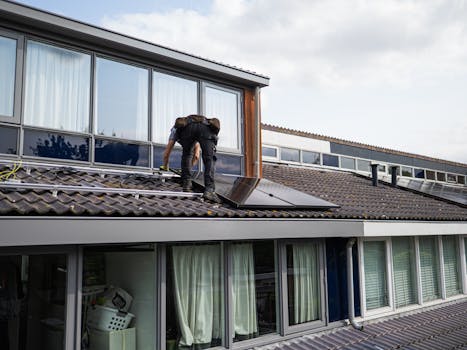
Renewable energy sources help you live a simpler, more eco-friendly life without adding complexity or clutter. They allow you to reduce your carbon footprint while staying true to your minimalist values—powering your home with clean energy from the sun, wind, or earth. By choosing the right renewable options, you can make a positive impact on the environment while keeping your lifestyle intentionally simple. This guide shows how renewable energy fits perfectly into your sustainable, minimalist lifestyle.
🔑 Executive Key Takeaways
- Efficiency first, panels second: Cutting your energy use by 20–30% through weatherization and smart habits means you can install a smaller, cheaper renewable system.
- Solar scales beautifully for minimalists: Start with a small balcony panel or portable kit, then grow to a full rooftop array only if your needs (and budget) justify it.
- Community solar = zero-equipment renewable: Subscribe to a shared solar farm and receive bill credits—no installation, no maintenance, just cleaner power on your utility statement.
- Wind and micro-hydro are site-specific: Both can deliver excellent results when conditions align (steady wind, flowing water), but require professional feasibility checks before you commit.
- Geothermal is the "set-it-and-forget-it" champion: High upfront cost, but extremely low operating cost and nearly invisible once installed—ideal for long-term minimalist homeowners.
📋 Table of Contents
- Exploring Renewable Energy Options for the Minimalist Home
- Simplify Your Life with Solar Power
- Wind Power for the Urban Minimalist
- The Role of Geothermal Energy in Sustainable Living
- Hydropower: A Lesser-Known Solution for Eco-Friendly Millennials
- Overcoming Challenges with Renewable Energy Sources
- Actionable Tips: Practical Steps to Integrate Renewable Energy
- FAQs
Exploring Renewable Energy Options for the Minimalist Home
Minimalism isn't about having nothing—it's about having exactly what you need, and nothing you don't. Renewable energy aligns perfectly with this philosophy because it replaces ongoing fossil-fuel consumption (a recurring "input" you never escape) with systems that quietly generate clean power in the background. Whether you own a small home, rent an apartment, or live in a tiny house, at least one renewable option can fit your space, budget, and values.
The key is choosing solutions that match your lifestyle. If you prefer hands-off simplicity, community solar subscriptions deliver clean energy without installing anything. If you want more control and own your roof, solar panels or a geothermal heat pump can transform your home's energy profile. And if you live near flowing water or consistent wind, micro-hydro or a small turbine might be your perfect match. The following sections break down each option so you can decide what works best for your minimalist life.
Simplify Your Life with Solar Power
Solar power is a fantastic way to embrace minimalism because it operates silently, requires minimal maintenance, and scales to fit nearly any living situation. Installing solar panels on your roof can help you save money while being kind to the planet—when you use energy from the sun, you lower your electric bills and reduce your reliance on fossil fuels. This means you can simplify your energy usage and feel good about your choices, knowing your home runs on clean, renewable power.
For small spaces, solar panels come in various sizes and styles designed specifically for compact living. Many companies offer options that fit snugly on urban rooftops or even balconies, so you don't need a sprawling estate to go solar. Plus, with third-party ownership options like leases and power purchase agreements (PPAs), you can get started without any upfront costs—making solar accessible even on a tight budget.
Moreover, going solar can be a smart financial move—but efficiency comes first. Every dollar you spend on energy conservation (sealing air leaks, upgrading to LED bulbs, adding insulation) can save you three to five dollars in solar system costs by reducing the size of the system you need. By lowering energy consumption first, you make your transition to solar even more effective and affordable. This approach makes solar one of the best renewable energy options available today, especially for minimalists who value simplicity and long-term savings.
Wind Power for the Urban Minimalist
Many people think of wind power as something reserved for vast, open landscapes with towering turbines. However, small-scale wind turbines can fit perfectly in some urban settings, too—though success depends heavily on your specific location. These compact turbines are designed to capture city winds and can be installed on rooftops or in backyards, potentially producing enough energy to power a significant portion of your home while reducing your carbon footprint.
That said, urban wind has unique challenges. Buildings create turbulence that can reduce turbine efficiency, and local zoning laws may restrict height, setbacks, or noise levels. Some people also worry about appearance and sound, but modern vertical-axis wind turbines are much quieter than older models and can blend into your home's aesthetic more easily. Before committing, get a professional wind assessment to confirm your site has adequate, consistent wind—without this data, you risk investing in equipment that underperforms. With the right guidance and site conditions, installing a small wind turbine can be easier and more rewarding than you'd expect.
The Role of Geothermal Energy in Sustainable Living
Geothermal energy is an exciting option for environmentally conscious millennials who value reliability and low maintenance. This energy source uses the stable heat stored in the Earth to provide efficient heating and cooling for your home. Imagine dramatically reducing—or even eliminating—your heating and cooling bills while enjoying consistent indoor comfort year-round. Geothermal heat pump systems are highly efficient and can be a perfect fit for minimalist homes that prioritize long-term value over short-term costs.
Many minimalist homeowners have successfully integrated geothermal systems into their designs, often reporting energy use reductions of 30–60% compared to conventional HVAC systems. Geothermal heat pumps tap into the steady underground temperature (which stays around 50–60°F year-round in most climates), providing a reliable and sustainable source of heating in winter and cooling in summer. Once installed, the system operates quietly in the background with minimal maintenance—exactly the kind of "set-it-and-forget-it" solution minimalists appreciate.
Photo by ThisIsEngineering on Pexels
Hydropower: A Lesser-Known Solution for Eco-Friendly Millennials
Hydropower isn't just for massive dams generating electricity for entire cities—small-scale micro-hydro systems work beautifully for tiny properties with access to flowing water. If you have a stream or small river on your land, you might be able to harness this renewable energy source to generate clean electricity. Micro-hydro systems can produce enough power to run your entire home while having minimal environmental impact, especially when designed with fish-friendly intake screens and seasonal flow considerations.
These systems are often surprisingly simple to install and maintain, especially compared to solar or wind setups. Because flowing water is consistent (unlike intermittent sun or wind), micro-hydro provides stable, predictable energy 24/7—you're not dependent on weather conditions or time of day. However, feasibility depends on several factors: you need adequate water flow year-round, proper elevation drop (head), legal water rights, and environmental permits. If your site checks these boxes, micro-hydro offers a sustainable solution that many people overlook, delivering reliable off-grid power with minimal visual impact.
Overcoming Challenges with Renewable Energy Sources
Cost vs. Benefit: Making the Transition Affordable
Switching to renewable energy can seem daunting when you look at upfront costs, but there are practical, proven ways to make it affordable. Many governments offer incentives and grants specifically for renewable energy installations—for instance, federal tax credits in the U.S. can offset 30% or more of solar and geothermal system costs, significantly reducing your initial investment. State and local programs may add additional rebates or low-interest financing options.
Additionally, exploring eco-friendly utility solutions can help you maximize your savings while transitioning to renewable energy. Another smart strategy is joining a renewable energy cooperative, where groups of people pool resources and share the benefits of renewable energy—allowing you to access solar or wind power without the high upfront costs of individual ownership. This cooperative approach makes embracing eco-friendly solutions much easier and more affordable, especially for renters or those with limited budgets.
Space Considerations for Minimalist Living
Living in a small space doesn't mean you can't use renewable energy—in fact, minimalist homes are often ideal candidates because lower square footage usually means lower energy needs. Many creative solutions exist to integrate eco-friendly housing trends into compact homes without sacrificing precious space. For example, vertical gardens can serve as natural insulation while providing space at the top for small solar panels, and wall-mounted battery systems keep energy storage out of living areas.
You can also maximize efficiency by installing compact, energy-efficient appliances designed specifically for minimalist lifestyles—look for Energy Star–rated options that use less electricity and water while taking up minimal space. When you reduce your overall energy consumption through smart appliances, better insulation, and mindful habits, you need less renewable capacity to meet your needs. This dual approach reduces both your environmental impact and the physical footprint of your renewable energy system, keeping your space uncluttered and functional.
Actionable Tips: Practical Steps to Integrate Renewable Energy into Your Life
Tip 1: Conduct an Energy Audit
An energy audit is the essential first step before investing in any renewable system—it helps you understand exactly where your energy goes and identifies the easiest, cheapest wins. Review your utility bills from the past 12 months to spot seasonal patterns and peak usage periods. Then walk through your home looking for common energy drains: drafty windows and doors, old incandescent bulbs, inefficient appliances running 24/7, and poor insulation. Many utilities offer free or low-cost professional audits that include thermal imaging and blower-door tests to find hidden air leaks.
Tip 2: Start Small with Solar Gadgets
If you're unsure about committing to a full rooftop solar installation, starting small is a smart, low-risk approach. Solar-powered chargers, outdoor lights, and portable panels are excellent entry points that let you experience solar energy firsthand without major investment. These gadgets are easy to use, require zero installation, and help you understand how solar production varies with weather and placement. Plus, you'll feel good knowing you're using clean energy for everyday tasks—and if you love the results, you'll be more confident scaling up to a larger system later.
Tip 3: Join a Renewable Energy Cooperative
Joining a renewable energy cooperative can make green energy accessible even if you rent, have a shaded roof, or simply prefer not to own equipment. These community-based groups allow you to share resources and costs with others in your area, pooling buying power to access solar or wind installations you couldn't afford individually. You enjoy the environmental and financial benefits of renewable energy without installation headaches or maintenance responsibilities. Many cooperatives offer flexible subscription models and a variety of energy sources, so you can choose the option that best fits your needs, budget, and values.
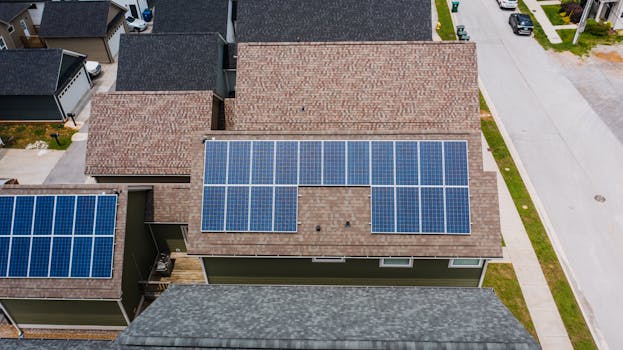
Photo by Kelly on Pexels
By following these practical steps, you can embrace renewable energy sources and minimize your ecological footprint without overwhelming yourself or your budget. Remember that every small change compounds over time to create meaningful impact. Take one step at a time—whether that's switching to LED bulbs, adding a solar charger, or subscribing to community solar—and soon you'll be well on your way to living a simpler, greener, more intentional life.
FAQs
Q: How do I determine which renewable energy option is the most cost-effective and suitable for my home or business?
A: Start by analyzing your energy needs and reviewing 12 months of utility bills to understand your consumption patterns. Then evaluate your property's renewable resources—measure sun exposure for solar (use tools like Google's Project Sunroof), assess wind speed consistency at your location, check for flowing water if considering micro-hydro, or evaluate ground conditions for geothermal. Consult with renewable energy professionals who can conduct detailed feasibility studies and cost-benefit analyses, factoring in available tax credits, rebates, and financing options specific to your area. The "best" choice balances upfront cost, long-term savings, maintenance requirements, and how well it matches your property's unique conditions.
Q: What are the potential challenges I might face when integrating multiple renewable sources into an existing energy system?
A: Integrating multiple renewable sources—often called "hybrid systems"—introduces several technical challenges. First, different technologies have varying voltage and current characteristics, requiring compatible inverters and charge controllers to work together safely. Second, solar and wind produce power at different times (solar peaks midday, wind often peaks at night or during storms), so you need intelligent energy management systems and adequate battery storage to balance supply and demand. Third, system complexity increases maintenance needs and potential failure points. Finally, upfront design and engineering costs rise substantially compared to single-source systems. Work with experienced installers who specialize in hybrid renewable systems to avoid compatibility issues and optimize performance.
Q: How can I ensure a stable energy supply when relying on renewable sources, considering their intermittent nature?
A: Stability comes from combining multiple strategies. First, reduce your energy demand through efficiency upgrades—lower consumption makes intermittency less impactful. Second, add battery storage to capture excess generation during peak production times (sunny afternoons, windy nights) for use when renewable output drops. Third, diversify your renewable sources if feasible: pairing solar with wind or micro-hydro creates complementary generation patterns that smooth out supply. Fourth, remain grid-connected if possible, using the utility as backup during low-production periods while still reducing your fossil-fuel consumption 60–90%. For true off-grid stability, size your system for worst-case scenarios (winter solar production, calm-wind weeks) and maintain a backup generator for extended low-production events.
Q: What are the environmental impacts of manufacturing and disposing of renewable energy technologies, and how do they compare to traditional energy sources?
A: Manufacturing renewable technologies does create environmental impacts—solar panel production requires mining silicon, silver, and rare minerals; wind turbines use steel, copper, and composite materials; and batteries need lithium, cobalt, and other mined elements. Disposal challenges exist too, particularly for solar panels containing small amounts of lead or cadmium, and for turbine blades made from hard-to-recycle composites. However, lifecycle analyses consistently show renewables have dramatically lower total environmental impact than fossil fuels. Coal and natural gas plants emit greenhouse gases, particulates, and toxins throughout their 30–40 year operating lives, while renewables produce most of their impact during manufacturing, then generate clean energy for 20–30+ years. Additionally, renewable recycling technology is improving rapidly—current solar recycling recovers 95% of materials, and new chemical processes can break down turbine blades for reuse.
For more ways to reduce your environmental footprint, consider exploring sustainable living tips for tiny homes that complement your renewable energy initiatives and enhance your minimalist lifestyle.
Post a Comment for "Renewable Energy for Minimalist Millennials: Eco-Friendly Solutions That Simplify Your Life"