Build your own solar system: DIY solar system in 7 steps

Is it possible to build your own solar power system?
The dream of owning a solar power system is attractive to many homeowners. Besides the prospect of lower energy costs, the positive feeling of contributing to climate protection is also a key factor. Building a PV system is no longer just for experts. With the right know-how and some DIY skills, anyone can build their own solar power system and use the sun's energy to cover their own electricity needs.
There are numerous options available – from simple balcony power plants to more complex solar systems with storage that also store excess energy and release it when needed. Anyone deciding to build their own solar system should, however, do thorough research beforehand. Even though it sounds tempting to just get started, there are important legal, technical, and safety aspects to consider. For example, connecting the system to the power grid must be done by a qualified electrician. Nevertheless, you can handle many parts of the installation yourself, thereby not only reducing costs but also embarking on an exciting project.
Installing a solar system yourself: How to make the project a success
This guide shows you how to build your own DIY solar power system step by step. You'll learn how to install a solar panel yourself, what materials and tools you'll need, and what to consider when building a solar system with battery storage. We'll go into detail about the various work steps and give you helpful tips on how to avoid mistakes and get the most out of your system.
Whether you are installing a simple solar system yourself or planning a larger, more complex system – this guide will help you approach the process in a structured manner and complete it successfully.
Are you looking for information on the advantages and disadvantages of building your own solar power system? This article can help you with that.
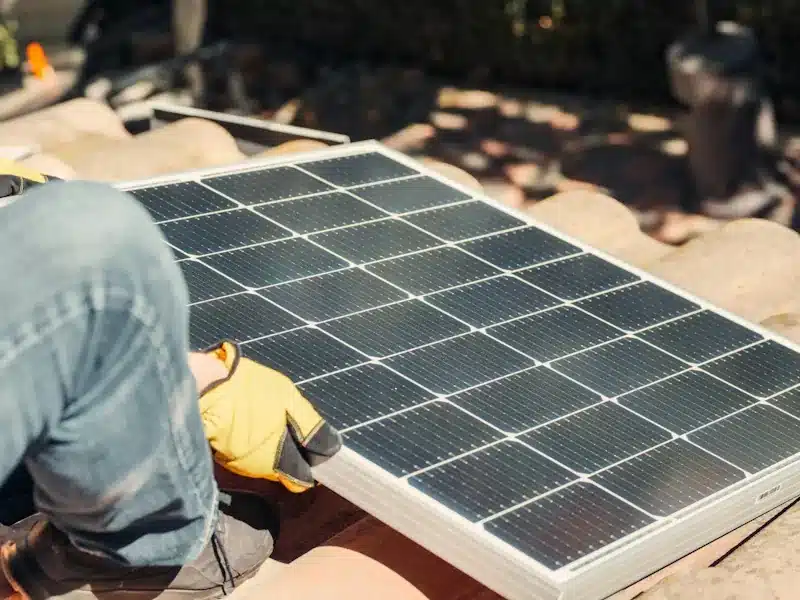
Step 1: DIY Solar System – Planning the Solar System
Careful planning is key to success if you want to build your own solar power system . First, you need to determine your household's electricity needs to ensure the system is properly sized. You should consider both your daily electricity consumption and seasonal fluctuations. If you also build a solar power system with a battery storage unit, you can store excess energy for later use and further reduce your dependence on external electricity suppliers.
Besides electricity consumption, the available roof area also plays a crucial role. Ideally, solar panels should be oriented towards the south, at an angle of approximately 30 degrees. If your roof doesn't meet these conditions, there are alternatives such as installation on garages or in the garden to maximize solar energy production. Therefore, building your own solar system requires a comprehensive analysis of the local conditions.
Did you know that a solar power system for your home can be worthwhile?
Step 2: Building your own solar system – permits and legal requirements
Before building your own solar power system, you should familiarize yourself with the legal requirements. In Germany and many other countries, there are specific building regulations that you must comply with, especially for larger systems. If you are building a solar power system with a battery storage unit, you may also need to obtain additional permits for the storage system.
Another important point is connecting to the electricity grid if you plan to feed excess electricity into the grid. For this, you will need to contact your grid operator. Regardless of whether you install a solar system yourself or a solar system with storage, a certified electrician should always inspect and approve the installation to ensure safety.
Step 3: Installing the solar system yourself – material procurement
Choosing the right materials is crucial if you want to build your own solar power system. Here are the most important components you will need:
- Solar modules: These convert sunlight into electricity. There are different types of solar modules , such as monocrystalline, polycrystalline, and thin-film modules. Monocrystalline modules generally have the highest efficiency.Inverter: The inverter is responsible for converting the direct current (DC) generated by the solar modules into usable alternating current (AC).
- Mounting system: Depending on the roof conditions, you will need a robust mounting system that securely fixes the solar modules.
- Battery storage: If you are building your own solar power system with storage, you will need a storage system to store excess electricity and retrieve it when needed.
- Cables and plugs: The wiring must comply with local safety standards.
Sourcing the materials requires careful planning and research to ensure all components are compatible and meet your requirements. Anyone planning to install a solar system themselves should research reliable manufacturers and suppliers beforehand. Our PV provider comparison also includes suppliers that deliver individual components.
Step 4: Build your own solar system – install the mounting system
Before you begin installing the solar panels, you must securely attach the mounting system. Anyone building their own solar system should pay attention to precision to ensure a stable installation. The correct orientation of the solar panels on the roof is crucial for the system's energy yield. Ideally, the roof should face south, but east- or west-facing roofs can also be used for a solar system.
The mounting of the modules on the roof must be extremely stable to withstand wind and weather. If you are unsure, you should consult a professional to ensure that the installation complies with local safety regulations. Especially if you are installing a solar system yourself, a professional inspection is crucial for the system's longevity and safety.
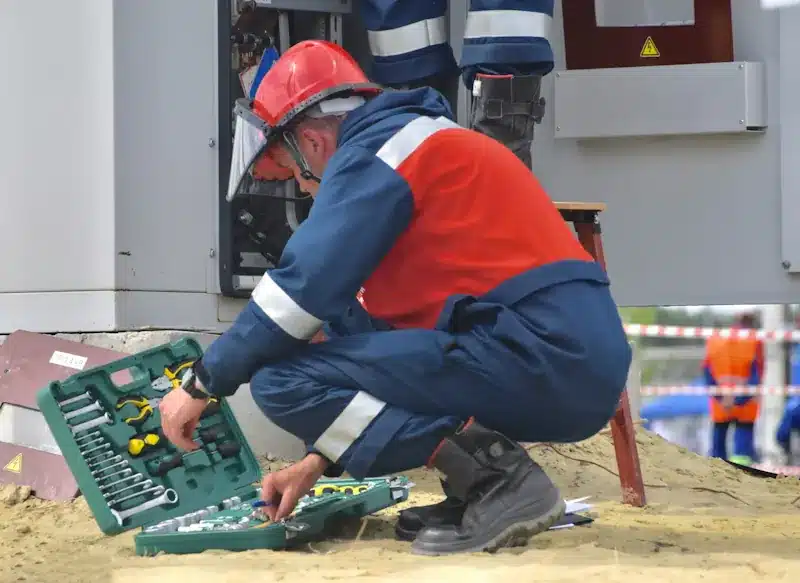
Step 5: Installing the solar system yourself – assembly and wiring
Once the mounting system is securely attached, you can begin installing the solar panels. This step requires particular care, as the solar panels must not only be mounted correctly but also professionally wired. Anyone planning a DIY solar system must ensure that the panels are properly connected to the inverter and – if present – to the battery storage system. Incorrect wiring can lead to significant power losses or even dangerous short circuits.
It is important to emphasize that the wiring should not be checked by laypersons. In particular, the connection to the electrical grid must only be carried out by a certified electrician to prevent accidents or damage.
Step 6: Building your own solar system with storage – Installation of the electricity storage system
A key advantage of building your own solar power system with storage is the ability to store excess electricity and use it later. This is particularly beneficial during periods without direct sunlight, such as evenings or cloudy days. A modern battery storage system can store several kilowatt-hours (kWh) of electricity, ensuring you remain self-sufficient even during these times.
Integrating a battery storage system into your solar array requires specialized knowledge, as correct wiring and control are crucial for the system's efficiency. A qualified electrician should inspect the installation and ensure the storage system is functioning correctly. Therefore, anyone planning a DIY solar installation should not cut corners at this stage.
Step 7: DIY solar system – commissioning
Once you have assembled and wired all the components, it's time to put the solar system into operation. However, before you generate your first electricity, the entire system must be thoroughly inspected. Even if you install the solar system yourself, a qualified electrician must still carry out the inspection to ensure safety and functionality.
During commissioning, all connections and the functionality of the solar panels and the storage system must be checked. If everything is working correctly, you can either use the generated energy yourself or feed excess electricity into the public grid .
Building your own solar system: Our conclusion
Frequently Asked Questions
Can I install a solar power system myself – without an electrician?
Building a solar power system myself: What costs will I incur?
Installing a solar system myself: Do I need to take out insurance?
Post a Comment for "Build your own solar system: DIY solar system in 7 steps"