DIY Solar Fountain Ideas: Creative Energy Projects
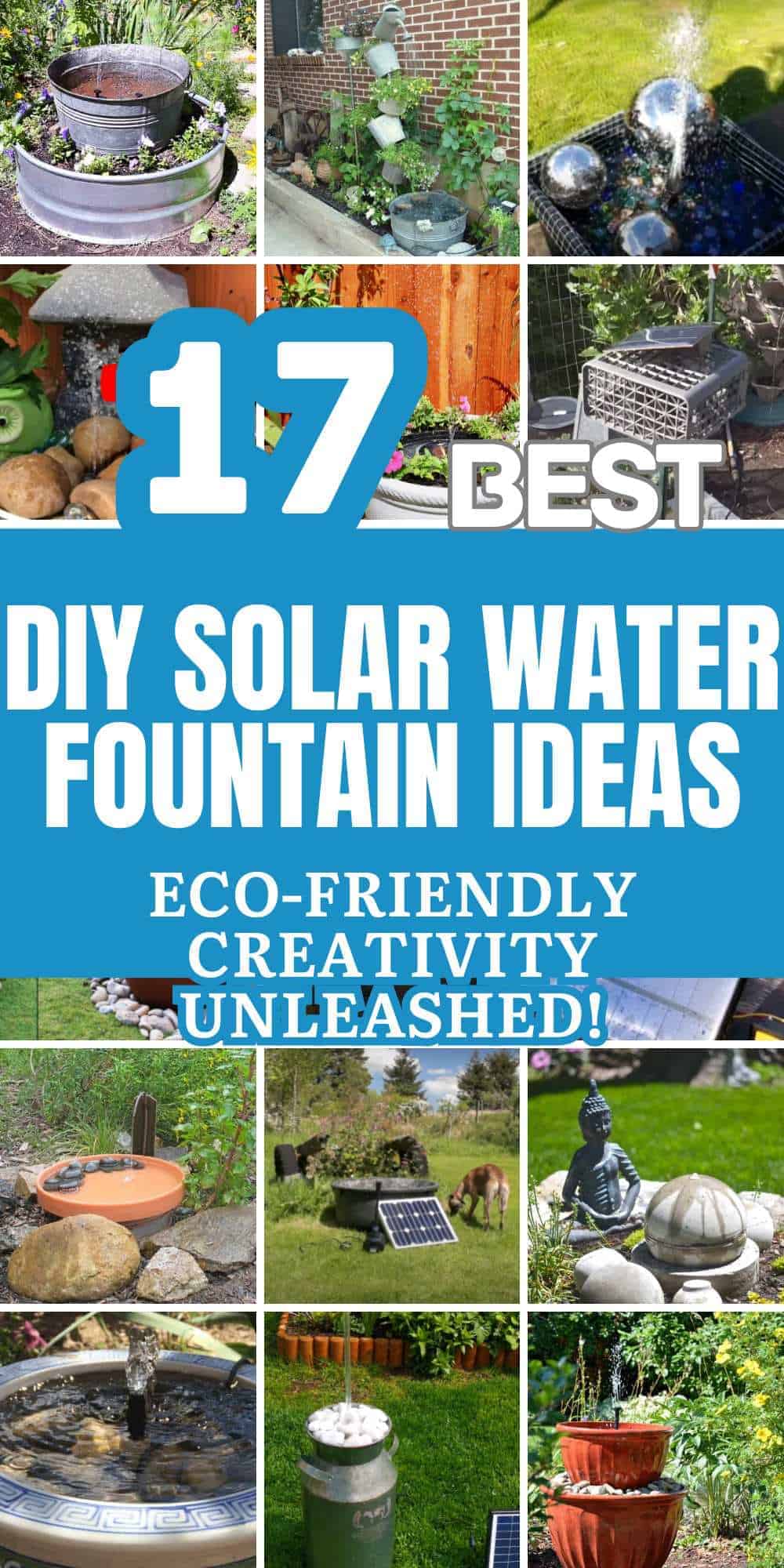
Imagine the gentle burble of water, the sun glinting off dancing droplets, all powered by the sun itself. A solar fountain transforms your backyard into a tranquil oasis, and the best part? You can build it yourself! DIY solar fountain ideas offer a fantastic way to embrace renewable energy, add a touch of elegance to your outdoor space, and significantly reduce your electricity bill – all while enjoying the satisfaction of a hands-on project.
A DIY solar fountain is more than just a pretty water feature; it's a statement about your commitment to sustainable living. It demonstrates the power of renewable energy in a tangible, beautiful way. Plus, it’s a surprisingly accessible project, even for beginners. By harnessing the sun's energy, you're not only saving money but also reducing your carbon footprint and contributing to a cleaner environment. And let's be honest, who wouldn't enjoy the bragging rights of having a fountain they built themselves?
Before diving into the project, take a walk around your yard and consider the sunniest spots. Observe where the sunlight hits strongest and longest throughout the day. This will be the ideal location for your solar panel, ensuring optimal performance for your DIY solar fountain.
Getting Started with Your DIY Solar Fountain Project
The beauty of DIY solar fountain ideas lies in their versatility. You can adapt the design to fit your style and budget. From simple tabletop fountains to elaborate multi-tiered designs, the possibilities are endless. The core components remain the same: a solar panel, a water pump, a container to hold water, and some tubing to connect the pump to the fountain nozzle.
The initial cost can range from $50 to $200, depending on the size of the solar panel and the type of pump you choose. Consider purchasing a solar fountain kit for your first project. These kits usually include everything you need to get started and take the guesswork out of matching components. As you gain experience, you can start experimenting with different designs and components to create your own unique solar fountains.
Choosing the Right Components for Your Solar Fountain
Selecting the right solar panel is crucial. Look for a panel with a voltage that matches the voltage of the water pump. A slight mismatch can damage the pump. Wattage is also important; a higher wattage panel will provide more power, especially on cloudy days. For most small fountains, a 5-10 watt panel is sufficient.
The water pump should be submersible and designed for continuous use. Check the flow rate of the pump (gallons per hour or GPH) to ensure it's suitable for the size of your fountain. A higher GPH will create a more dramatic water display.
Simple DIY Solar Fountain Design: A Step-by-Step Guide
Here’s a simple design you can adapt for your own yard:
1.Gather Your Materials: You’ll need a large bowl or container, a submersible solar water pump, tubing (if needed), decorative stones or pebbles, and a solar panel with a stake or mount.
2.Assemble the Fountain: Place the water pump inside the bowl. Attach the tubing to the pump, if necessary, to direct the water flow.
3.Add Water and Decoration: Fill the bowl with water, leaving some space at the top. Arrange the stones or pebbles around the pump to conceal it and create a natural look.
4.Position the Solar Panel: Place the solar panel in a sunny location and connect it to the pump.
5.Enjoy Your Fountain!Adjust the position of the solar panel to maximize sunlight and watch your fountain come to life.
Troubleshooting Common Solar Fountain Issues
Sometimes, even the best DIY projects can run into snags. If your solar fountain isn't working, the first thing to check is the solar panel. Make sure it's clean and free from any obstructions that could block sunlight. Also, ensure the connections between the panel and the pump are secure.
If the pump is making noise but not pumping water, check for blockages in the tubing or the pump intake. Debris like leaves or algae can clog the system. Regularly cleaning the pump and tubing will keep your fountain running smoothly.
Another common issue is inconsistent water flow on cloudy days. This is normal, as the solar panel produces less power when sunlight is limited. You can mitigate this by using a solar panel with a battery backup, which will store energy on sunny days and provide power on cloudy days.
Expanding Your Solar DIY Projects
Once you've mastered the art of building solar fountains, you can explore other DIY solar projects. Solar garden lights are a simple and affordable way to illuminate your outdoor space. You can also build a solar-powered phone charger or even a small solar heater for your patio.
For the more ambitious DIYer, consider installing a larger solar panel system to power your entire home. While this requires more planning and investment, it can significantly reduce your electricity bill and increase your energy independence. Remember to consult with a qualified electrician before undertaking any major electrical work.
Off-grid solar systems are also gaining popularity, especially for RVs and cabins. These systems typically include solar panels, batteries, and an inverter, allowing you to generate and store your own electricity, even in remote locations.
Seasonal Considerations for Your Solar Fountain
DIY solar fountain ideas need seasonal adjustments to ensure optimal performance. In the summer, when sunlight is abundant, you may need to add water to your fountain more frequently due to evaporation. Also, be sure to clean the solar panel regularly to remove dust and pollen, which can reduce its efficiency.
In the winter, you may need to drain the fountain to prevent the water from freezing and damaging the pump. If you live in a region with heavy snowfall, clear the snow from the solar panel to maximize sunlight absorption. Alternatively, you can disconnect the fountain and store the components indoors during the winter months.
How Do I Maintain My Solar Fountain for Longevity?
Regular maintenance is key to keeping your solar fountain running smoothly. Clean the solar panel and pump regularly, and check for any signs of damage or wear. Replace any worn components promptly to prevent further issues. Using distilled water can minimize mineral buildup and extend the life of your pump.
What Safety Precautions Should I Take When Building a Solar Fountain?
Always disconnect the solar panel from the pump before performing any maintenance. Use caution when working with electrical components and ensure all connections are properly insulated. If you're unsure about any aspect of the project, consult with a qualified electrician.
Can I Power My Entire Home with Solar Energy?
Yes, it's possible to power your entire home with solar energy, but it requires careful planning and investment. You'll need a larger solar panel system, batteries for energy storage, and an inverter to convert DC power to AC power. A professional solar installer can help you design and install a system that meets your specific needs.
Are There Any Permits Required for Installing Solar Panels?
Permit requirements vary depending on your location. Check with your local building department to determine if any permits are required for your solar panel installation. It's important to comply with all local regulations to avoid fines or other penalties.
What Are the Benefits of Using Solar Energy?
Solar energy is a clean, renewable energy source that can help you reduce your carbon footprint and save money on your electricity bill. It also increases your energy independence and protects you from fluctuating energy prices.
How Can I Maximize the Efficiency of My Solar Panel?
Position your solar panel in a sunny location with minimal shading. Clean the panel regularly to remove dust and debris. Use a solar panel tracker to automatically adjust the panel's angle to maximize sunlight absorption throughout the day.
Ready to bring your DIY solar fountain ideas to life? Start small, experiment with different designs, and embrace the satisfaction of creating your own renewable energy oasis. Even a simple project like this can be a stepping stone toward a more sustainable lifestyle. So grab your tools, gather your materials, and get ready to bask in the beauty of your very own solar-powered fountain!
Post a Comment for "DIY Solar Fountain Ideas: Creative Energy Projects"